Some changes to packaging are visible at first glance. Others have to do with something much less obvious: its composition. PFAS in food packaging have long been at the centre of the debate around packaging, safety and the environment. And August 2026 marks a particularly important moment: new European limits on these substances in packaging intended to come into contact with food begin to apply.
This directly affects a sector where boxes, trays, containers, wraps and other formats form part of the daily service provided by restaurants, cafés, caterers, food trucks and takeaway businesses. At Monouso, some products that were already part of our catalogue are now beginning to display a feature that is becoming particularly relevant: their identification as PFAS-free packaging according to the information provided by their manufacturers.
But what exactly are these substances? Why have they been used in certain types of packaging? And what changes under the new regulations?
Packaging is changing on the inside too
PFAS are a very broad family of synthetic chemical substances that have been used for decades in numerous applications. One of the reasons is their ability to provide properties such as resistance to water, oils and grease, which explains why certain PFAS have also been used in the world of food packaging, especially in some solutions designed to contain greasy or moist foods.
The problem lies in another of their characteristics: they are extremely persistent substances in the environment. They can remain for long periods without breaking down easily, which is why their presence and use have received increasing regulatory attention. And food packaging has not been left out.
2026 marks a change for food packaging
The Regulation (EU) 2025/40 on packaging and packaging waste, known as the PPWR, introduces numerous changes that will be implemented progressively over the coming years. Recyclability, reuse, labelling, waste reduction and material composition are some of the areas it covers.
But there is one particularly relevant date for food-contact packaging: 12 August 2026. From that moment, the regulation establishes maximum limits for certain concentrations of PFAS in new food packaging placed on the European market. This is not an issue that affects packaging manufacturers alone, but is also relevant for those who use these products every day and want to understand why certain packaging characteristics are changing.
In fact, OCU has recently published an article explaining the main changes introduced by the new European Packaging Regulation, specifically highlighting the limits on PFAS in food packaging as one of the first measures to begin applying from August 2026.
What exactly does the new regulation require?
The regulation does not simply establish a rule of “contains PFAS” or “does not contain PFAS”; instead, it sets maximum permitted concentrations for these substances in packaging intended to come into contact with food. Among the established limits are 25 ppb for an individual PFAS specifically analysed, 250 ppb for the sum of certain PFAS and 50 ppm for total PFAS, under the conditions laid down by the Regulation itself.
It may sound very technical, but the objective can be understood much more simply: to reduce the presence of these substances in packaging that comes into contact with our food. This is driving an evolution in materials, treatments and barrier solutions.
So, what does it mean for packaging to be PFAS FREE?
This is probably one of the questions we are going to start coming across most often. The indication PFAS FREE refers to a characteristic declared for a particular product regarding the presence or use of these substances. It is often used to identify solutions developed without intentionally added PFAS, although it is always important to refer to the specific declaration and documentation provided by each manufacturer.
And here there is an important difference: complying with the new European regulations and being commercially identified as PFAS FREE are not exactly the same thing. The Regulation establishes maximum concentration limits, while the PFAS FREE indication is a declaration relating to the specific characteristics of the product.
For this reason, at Monouso we only include this identification on those references for which we have the corresponding information from the manufacturer.
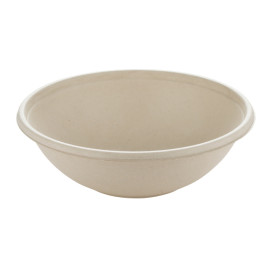
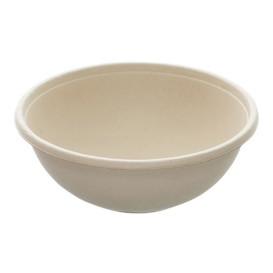
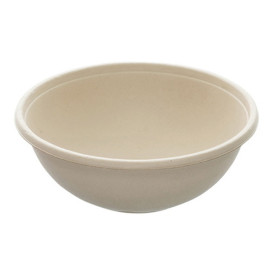
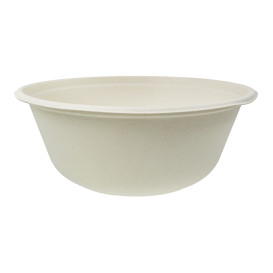
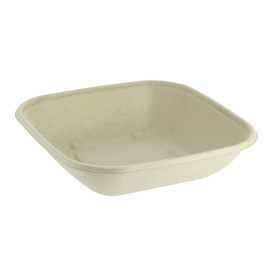
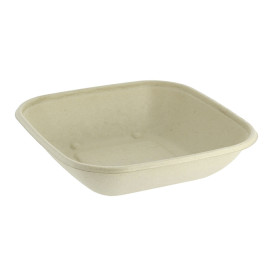
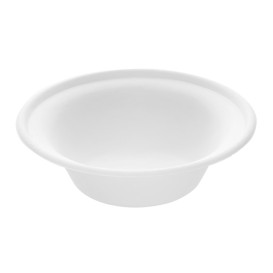
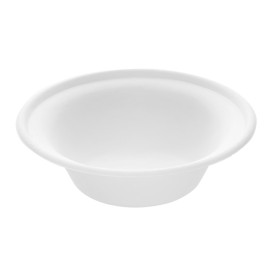
They are not new products: what changes is their composition
This change does not mean that new products have been added to the catalogue. We are talking about packaging you already knew and already used, but whose composition has evolved to adapt to the new requirements of food packaging. Manufacturers are reformulating certain materials and treatments to offer solutions without intentionally added PFAS, while maintaining the functionality required for each type of packaging.
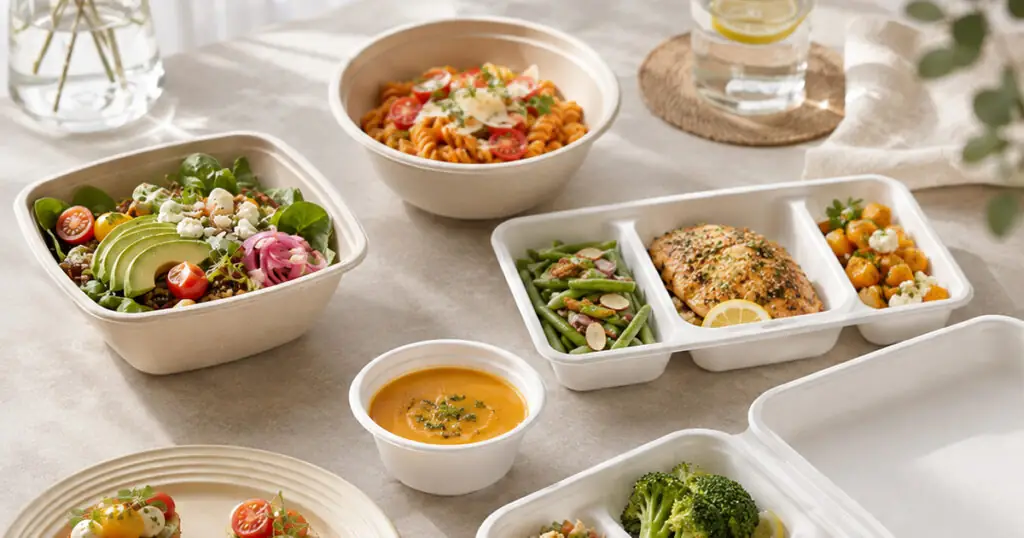
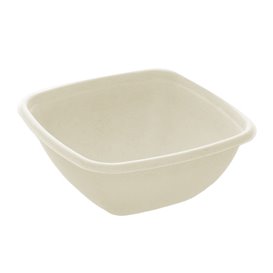
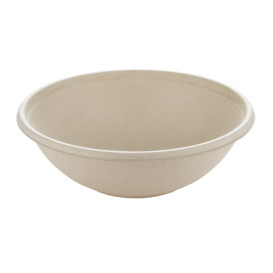
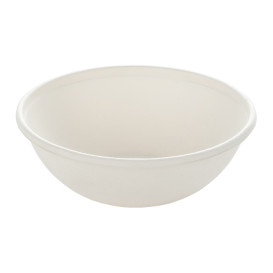
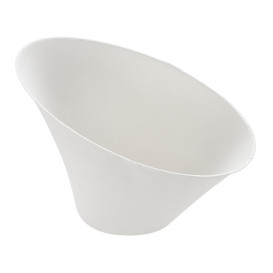
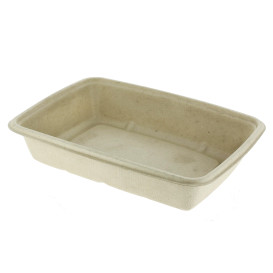
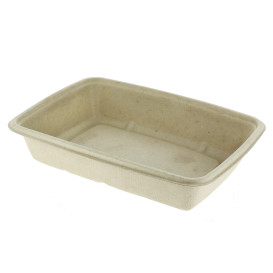
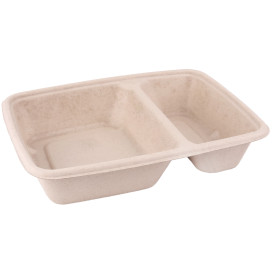
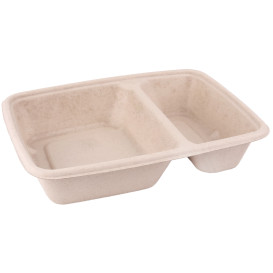
That is why some Monouso references that were already available, such as the Bepulp bowl range, have evolved in their composition and are now beginning to include this new characteristic on their product page. The design, format or application may remain the same: what evolves is what forms part of the packaging itself.
Can grease resistance be achieved without these compounds?
It is a logical question. If certain PFAS substances have been used because of their ability to repel grease, oils or moisture, it may seem that removing them means giving up those properties. But packaging is evolving too. There are now other technologies, materials and barrier solutions designed to provide the necessary performance for different foods without relying on the same treatments traditionally used.
That does not mean that all PFAS-free packaging has the same properties. A burger box, a soup container, a salad bowl or a wrap for fried foods all have different requirements. That is why it remains essential to check the specific characteristics of each product: grease resistance, contact with liquids, operating temperature, microwave, oven or freezing suitability, where applicable.
The key is not simply to eliminate a substance.
What changes for restaurants and takeaway businesses?
From the kitchen, the change will probably be almost invisible. The order will continue to be prepared in the same way and the customer will continue to expect their food to arrive properly presented and protected. But things are changing behind the packaging.
The new regulation is making the composition of materials increasingly important, and manufacturers and distributors are having to pay closer attention to the information that accompanies each product. For hospitality, foodservice and takeaway, this means having more information available when selecting packaging.
It is not only important what a container contains. It is also becoming increasingly important what it does not contain.
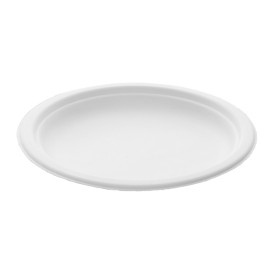
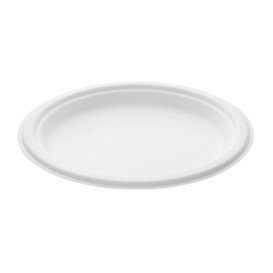
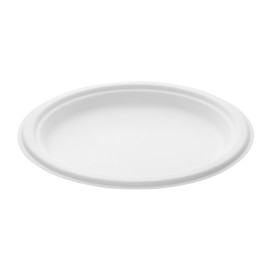
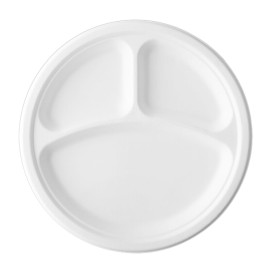
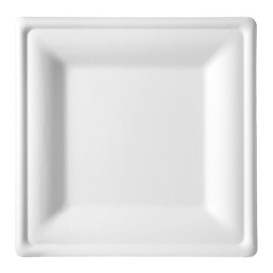
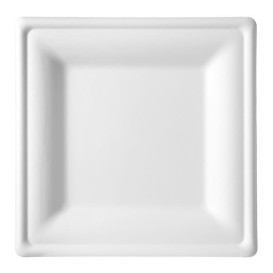
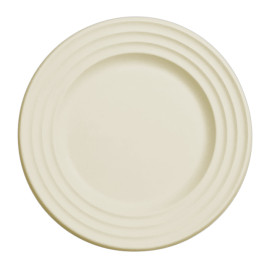
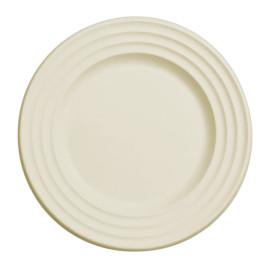
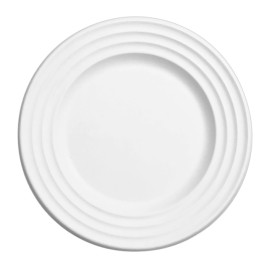
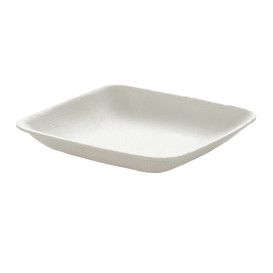
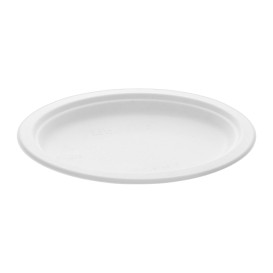
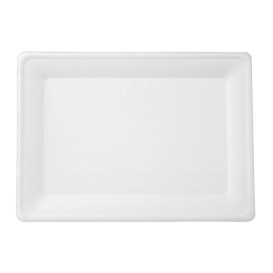
The packaging you already know is evolving too
At Monouso, we are continuing to progressively incorporate products whose composition has been reformulated to adapt to the new requirements of food packaging. We are not talking about new references, but products that are already part of our catalogue and that manufacturers are now producing with an improved formulation, without intentionally added PFAS.
This change is being carried out gradually, which means that new units will arrive little by little as previous stock is replaced with products manufactured using the new composition.
The format, design and application of this packaging remain the same.
What changes is its composition, which is evolving to adapt to a new stage in food packaging and to the requirements established by European regulations.
The new regulations go far beyond PFAS
The limits that begin to apply in August are only one part of a much broader transformation. The new European Packaging Regulation includes measures that will be implemented progressively over the coming years, with objectives related to recyclability, reducing unnecessary packaging, reuse, labelling and the use of certain materials.
OCU also highlights this progressive nature: some changes begin in 2026, while others will arrive in 2027, 2028 and later years. Therefore, what we are seeing now is not an isolated change, but part of a broader evolution of European packaging.
The future of packaging also lies in its composition
For a long time, we have chosen packaging mainly by looking at visible aspects: its size, its design, its resistance or its capacity. All of these remain fundamental, but we increasingly have more information about what we cannot see: materials, treatments, certifications and composition.
The new European regulation once again brings this issue to the forefront. And for a sector such as hospitality, where packaging is part of daily service, being informed helps businesses anticipate changes and choose each solution with greater confidence.
Because sometimes evolution does not mean adding something new. It means precisely what we leave out.
3 key points to understand PFAS 📌
Do all paper and cardboard packaging products contain PFAS?
No. Just because packaging is made from paper or cardboard does not automatically mean that it contains these substances.
Their presence depends on the materials, treatments and barriers used during the manufacture of each product. That is why it is important to always check the specific characteristics of each reference.
What happens to the products we were already using?
In many cases, the product remains the same in terms of format, design and application, but its composition changes. Manufacturers are progressively reformulating certain packaging products to adapt them to the new requirements of food packaging and manufacture them without intentionally added PFAS.
For this reason, for a time, units from previous stock may coexist with others already manufactured using the new composition, which will arrive progressively as stock is renewed.
What should I consider when choosing packaging?
The absence of added PFAS is an increasingly relevant characteristic, but it should not be the only selection criterion. It is also important to take into account the type of food, capacity, dimensions, material, resistance to grease or liquids and operating temperatures, as well as checking whether the product is suitable for microwave, oven or freezing when necessary.
Each food and each service has different requirements, so choosing the right packaging remains essential to ensuring a good experience.
A change that will arrive gradually 🌱
Adapting to this new reality of packaging does not happen overnight. Manufacturers are introducing the new formulations progressively, and at Monouso we will receive these products as stock manufactured with the previous composition is replaced.
This means that references you already know may start arriving with a reformulated composition, while maintaining their usual formats and applications. A change that may not be visible at first glance, but which forms part of the evolution currently taking place in the food packaging sector.
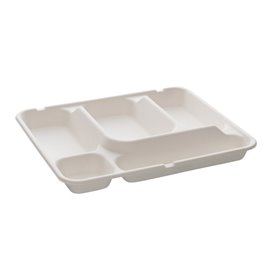
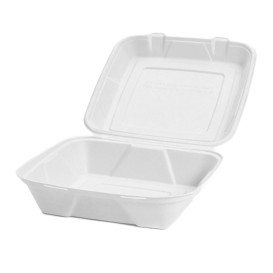
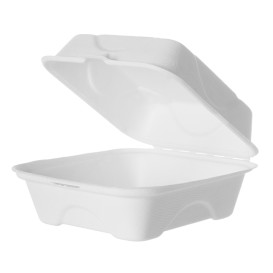
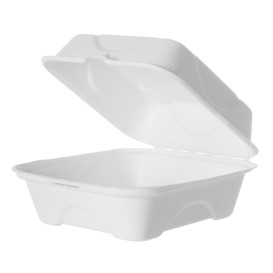
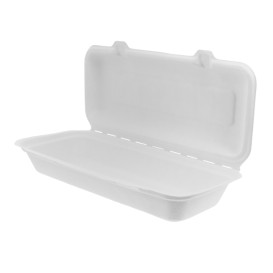
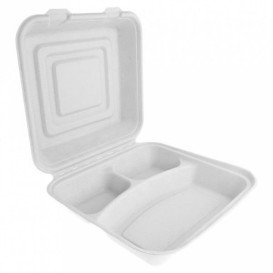
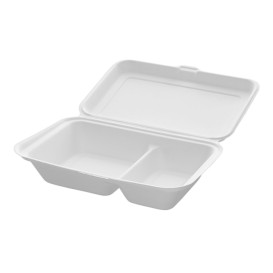
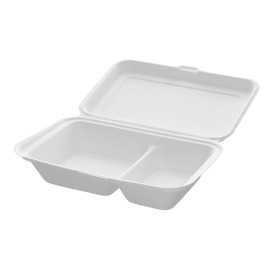
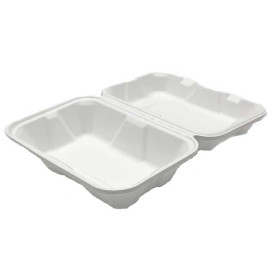
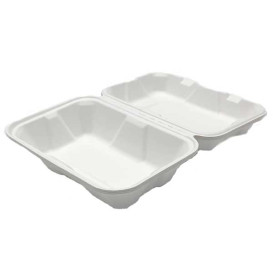
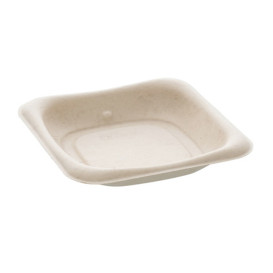
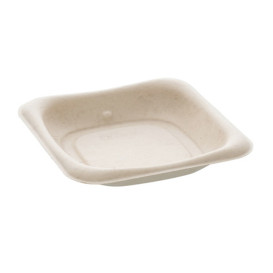
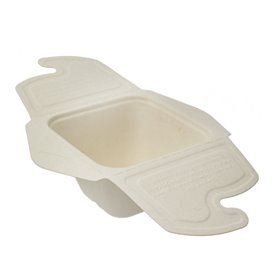
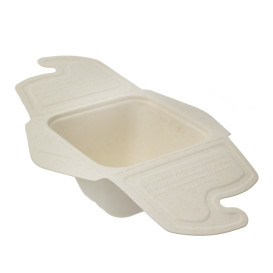
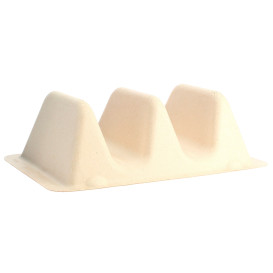
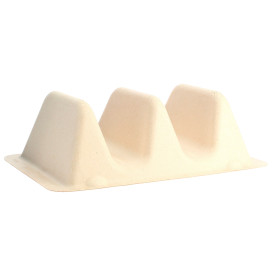
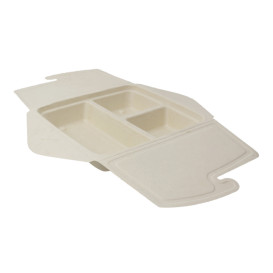
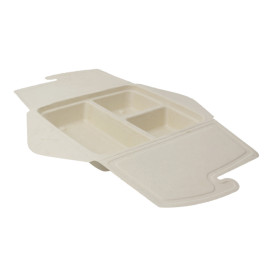
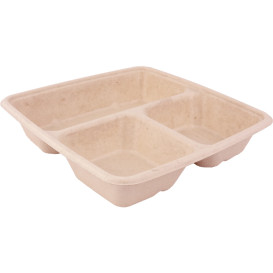
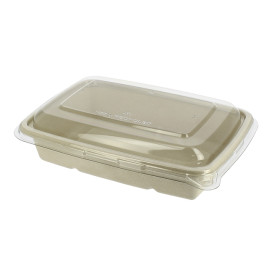
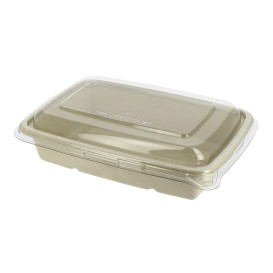
Packaging changes, even when you cannot always see it
When we think about the evolution of packaging, we tend to imagine new formats, designs or materials. But some of the most important changes happen precisely in what we cannot see at first glance. The composition of packaging is becoming increasingly important, and the new European regulations are accelerating this transformation across the sector.
At Monouso, we will continue updating our products as the new production batches arrive, so that you can easily identify which solutions incorporate this renewed composition. Because evolving packaging does not always mean changing its appearance: sometimes, the most important change lies precisely in what we leave out.