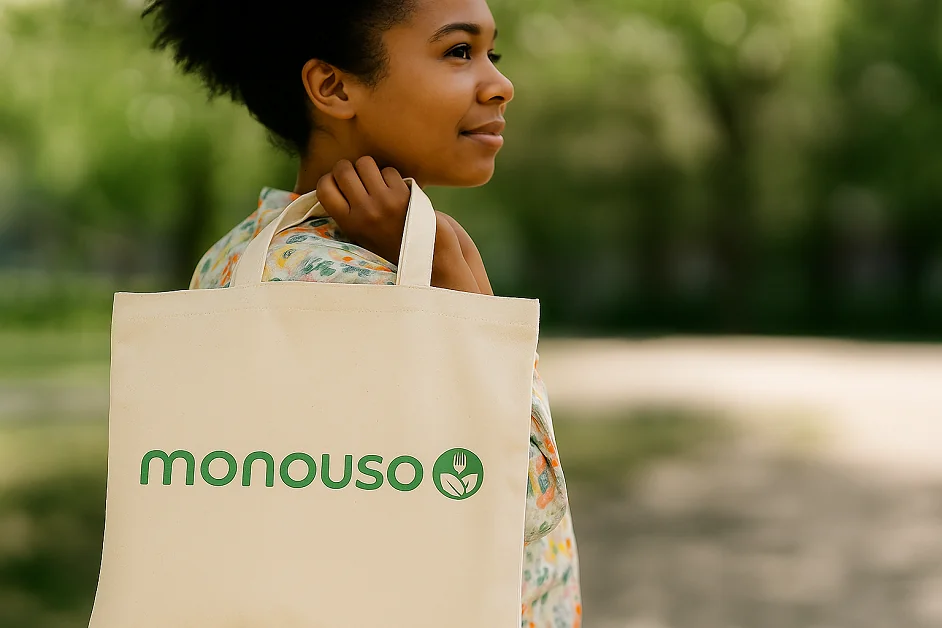
A custom tote bag is not just a convenient accessory for carrying all kinds of items; it can also be a unique piece that reflects your personality, taste, and brand. This large, sturdy fabric piece serves as the perfect canvas to express whatever you want, however you want. Stay with us — we’ll show you how.
Reasons to Create a Custom Tote Bag
Having your own custom tote bag is a creative decision with many benefits. If it’s for everyday use and you want to give your shopping a touch of distinction, a fabric bag with a unique design can achieve that effect.
And if you have an entrepreneurial project or business, customizing fabric bags for your customers is a smart marketing strategy — here’s why:
- Your brand will be associated with sustainability, as the use of durable bags helps reduce plastic bag consumption.
- Each tote bag acts as a moving billboard, capable of taking your business name anywhere for a long time.
- It’s a gesture of respect and appreciation for your customers’ loyalty.
It is also a low-cost, high-impact advertising tool that turns your customers into ambassadors for your product.
Materials for Tote Bags: Which One to Choose According to Their Use
Carry bags are made from materials that vary depending on their intended use. Organic or recycled cotton bags have a long lifespan; they are easy to wash, breathable, and ideal for everyday shopping.
There are also canvas bags — a strong fabric that allows you to carry heavy items. Some, when properly treated, are water-resistant. Jute bags are among the most eco-friendly options, as they are 100% biodegradable.
On the other hand, a leather bag is not only practical but also elegant, making it perfect for a formal event. Meanwhile, jute and hemp bags are visually appealing and casual — ideal for summer outings.
The Best Techniques to Create a Custom Tote Bag
Nowadays, there is a wide variety of techniques to give your tote bag that unique personal touch. Among the most popular are embroidery, printing, and vinyl.
Embroidery
This artistic technique, whether done by hand or machine, offers a visually appealing finish. The best fabric for hand embroidery is cotton, but machine embroidery can achieve equally detailed and long-lasting designs on materials such as jute or polyester.
Printing Techniques
Among these methods, sublimation, screen printing, and digital printing stand out. Sublimation is mainly used on synthetic materials and involves chemically bonding the ink with the fabric to prevent it from fading or washing out.
Digital printing works by injecting the ink directly into the material, especially cotton. Screen printing uses a frame over the fabric to transfer the image; nowadays, it is mainly used for industrial and marketing purposes.
Vinyl
Vinyl printing basically consists of pressing a graphic design made from this self-adhesive plastic material onto the bag. This way, the image becomes fused with the fabric. It is a very common technique for cotton and canvas bags.
Tote Bag Sizes and Formats: Which One Is Right for You?
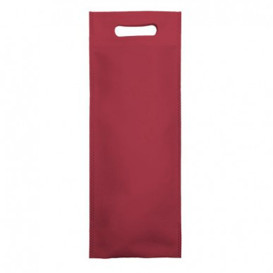
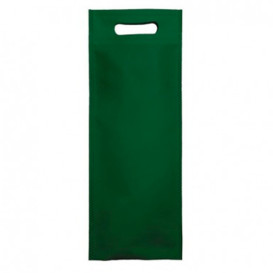
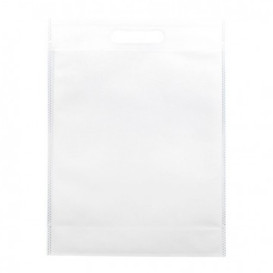
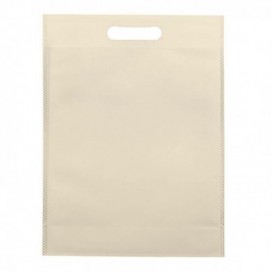
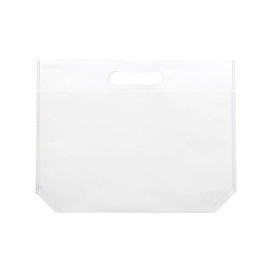
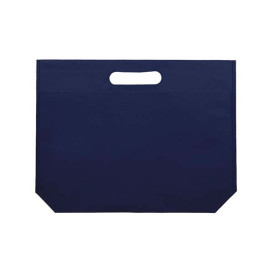
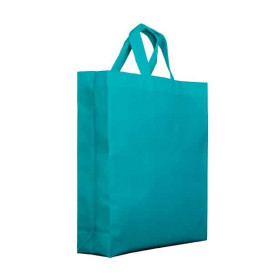
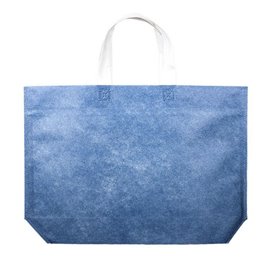
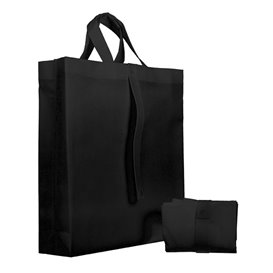
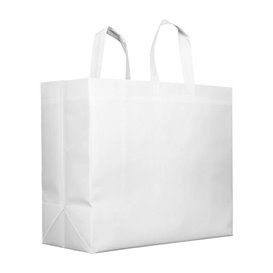
These non-woven bags come in three different sizes for various needs. Although there is no universal consensus regarding their dimensions and capacity, these are generally their best-known formats:
- Small Tote Bag. Usually measures around 25 x 20 cm (some are 30 x 35 cm) and is perfect for carrying small items such as glasses, keys, or a mobile phone. It’s a good alternative to a handbag but with a more casual touch.
- Large Tote Bag. Measures over 45 x 38 cm, with a wide base — making it the ideal bag for shopping and carrying a variety of items. It often includes inner pockets, a zipper, and strong handles to support heavier loads.
- Medium Tote Bag. Measures between 38 and 42 cm and is used for carrying items like a small laptop, folders, or a few books, among others. It’s convenient for everyday use as a backpack replacement. For example, if you work or study, it can serve as your lunch bag.
Before choosing your tote bag for the day, think about how much you need to carry. Depending on your daily activities, consider the size and durability so you can comfortably transport everything in a single bag.


Type of Design That Best Fits a Tote Bag
A tote bag can be customized with any design your imagination, resources, and strategy allow. It’s a blank canvas ready to be “printed” with whatever you want — text, images, or logos.
Nowadays, the wide variety of available techniques allows you to print, sublimate, embroider, or draw anything you like on your bag’s surface. It all depends on the message you want to convey through this moving billboard.
Use Cases for a Custom Tote Bag
This is an extremely versatile item with multiple use cases. The following are the most common ones:
- Everyday personal use for grocery shopping or carrying any type of household items.
- At professional and business events such as conventions, conferences, trade shows, product launches, and service demonstrations.
- For product sales; you can deliver purchases to customers in a personalized tote bag featuring your logo.
- As a welcome gift for new employees and clients — it’s a friendly, eco-friendly, and respectful marketing strategy. You’re delighting the recipient while promoting your brand at the same time.
As a welcome gift for new employees and clients, it’s a friendly, eco-friendly, and respectful marketing strategy. You’re treating the person while promoting your brand at the same time.
Tips for Personalizing a Tote Bag
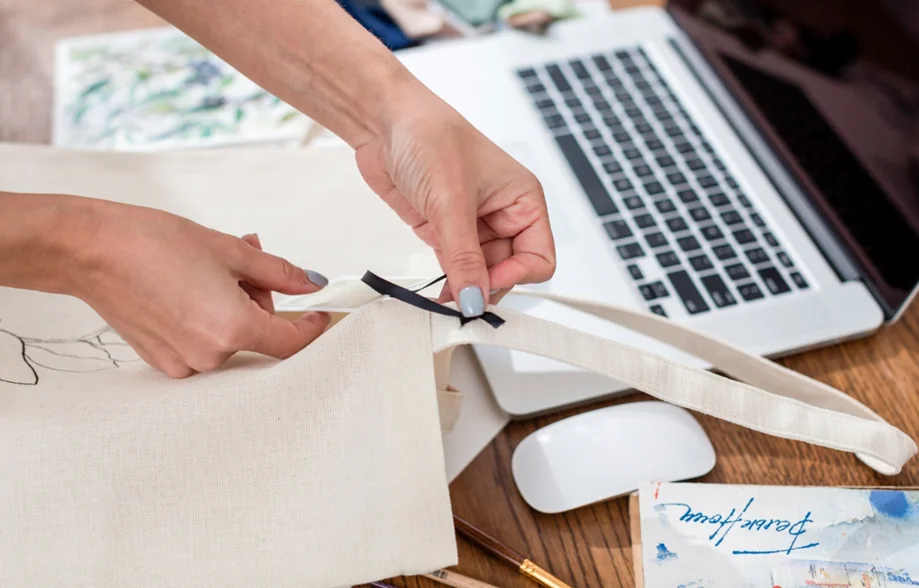
First, you need to be clear about what you want to include: a logo, message, or illustration. As for the method, choose the one that best suits the bag’s fabric type and the result you’re aiming for — that is, the texture and personalized finish.
Another important point to consider is whether to do it yourself or rely on an expert. This will depend on your experience, skill, and availability. Also, make sure to use high-quality materials to prevent the design from wearing out prematurely.
Have you already decided how to custome your tote bags? No matter which technique you choose, customizing your tote bags is a great way to stand out. Whether you use them for shopping or give them to your customers, adding unique details says a lot about your image and brand projection.
Tote bags FAQs
Can a Tote Bag Be Washed?
Yes, it can be washed; however, it’s recommended to do so by hand using a very mild detergent. Avoid using hot water or a dryer to prevent the bag from losing its shape.
How Long Does a Tote Bag Last?
It has a long lifespan (between 3 and 8 years). Of course, this depends on how often you use it and the level of care you give it.
What Materials Are Tote Bags Made Of?
These multipurpose bags are made from cotton, canvas, linen, jute, hemp, and synthetic fabrics such as polyester and nylon.
What Is the Minimum Order for Tote Bags?
It depends on the conditions set by each supplier. Typically, the minimum order is one bag, but the larger the quantity ordered, the lower the price per unit tends to be.