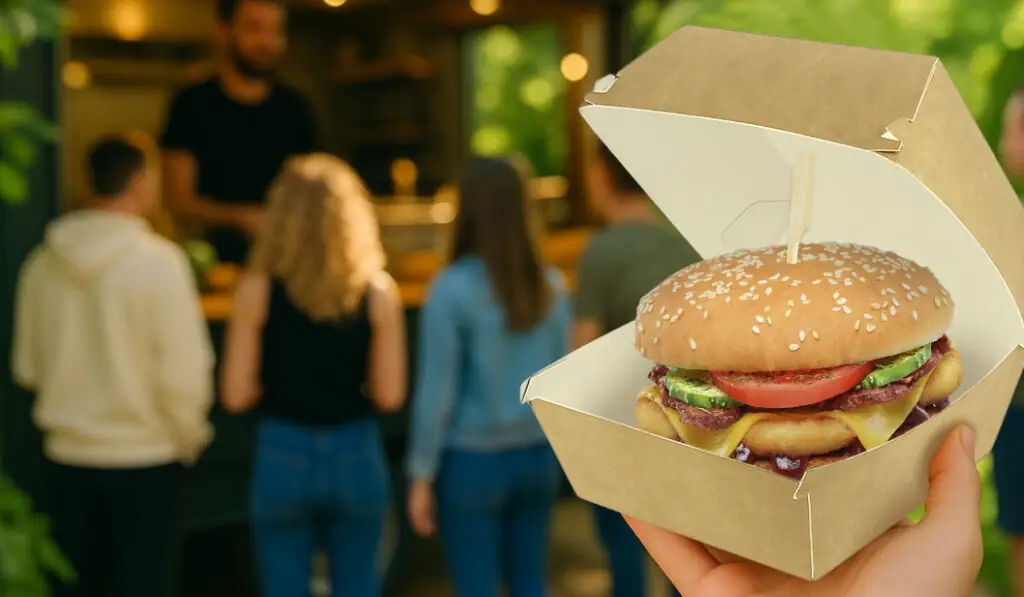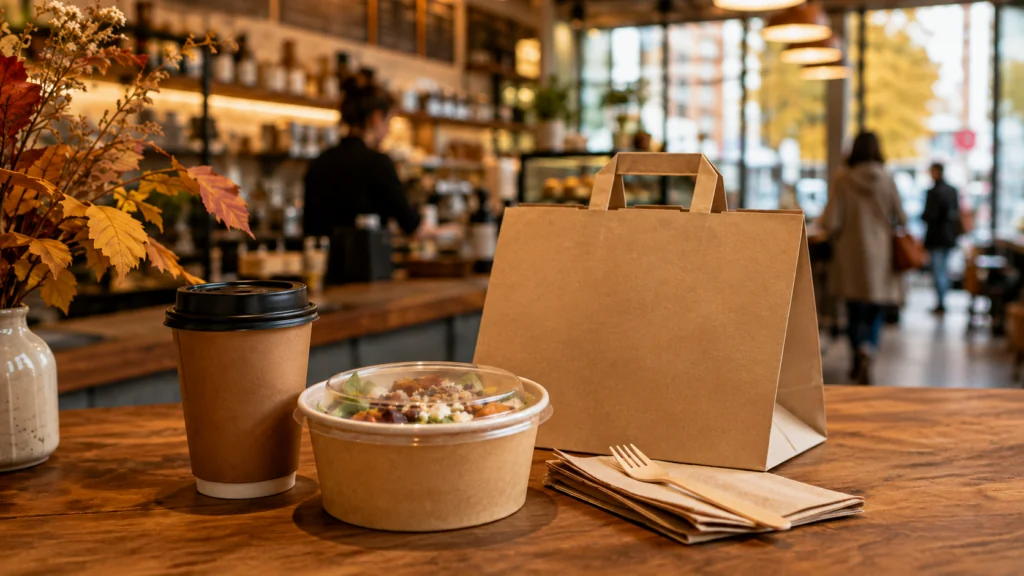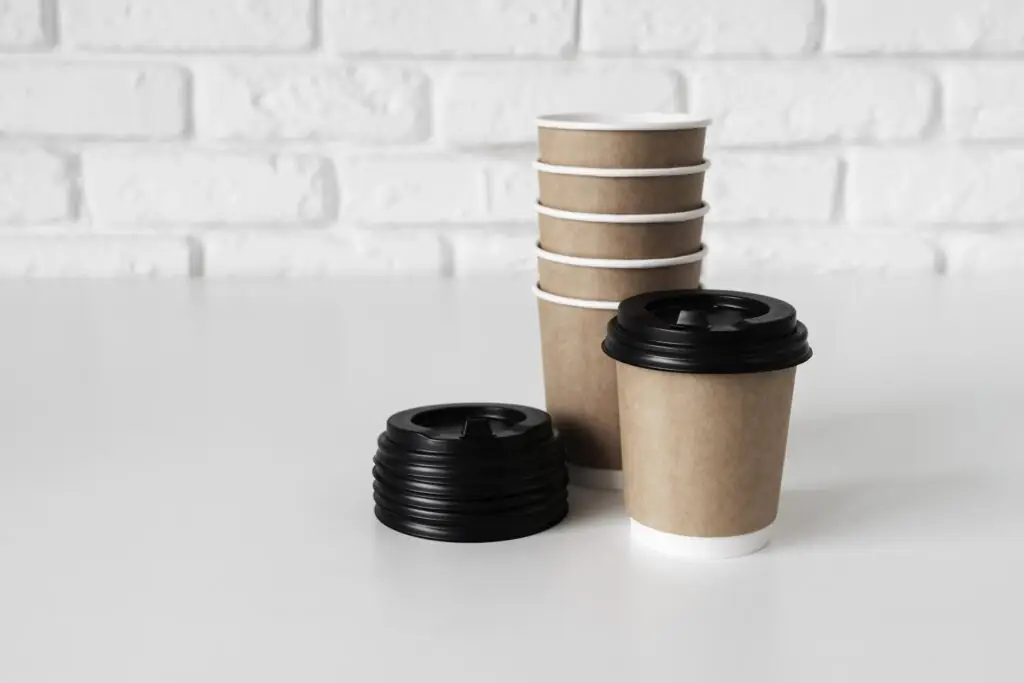
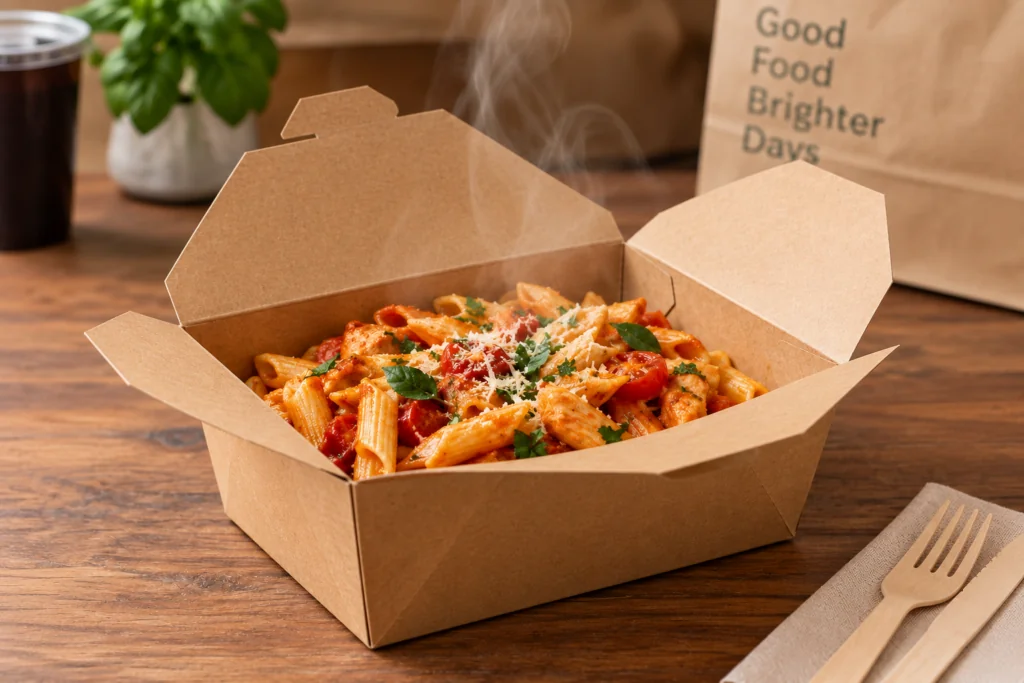
With the arrival of autumn, the menu of any hospitality business changes considerably. Salads, cold dishes and lighter summer options make way for stews, soups, gratins and creamy rice dishes. This seasonal shift also means rethinking a large part of your takeaway operation: which hot dishes to include, how to prepare it so that it travels well, and which details make the difference between an order that disappoints and one that keeps customers coming back. Preparing your takeaway service for autumn is not simply a matter of changing the menu: it also means adjusting cooking times, packaging, delivery logistics and the way you communicate your new offering.
In this guide, we look step by step at everything you need to consider when preparing an autumn takeaway service that works: from why demand for hot food increases at this time of year to how to choose the right dishes, prepare them properly and present them so that they reach customers in the best possible condition.
How takeaway changes with the arrival of autumn
Falling temperatures also affect the type of food people feel like eating away from home. As summer comes to an end, fresh and lighter dishes begin to share the spotlight with hot meals, soups, stews and more substantial recipes, particularly in takeaway and delivery services.
This seasonal change does not only affect the menu. Hospitality businesses also need to adapt the preparation, transport and presentation of orders to dishes that need to retain heat more effectively, prevent leaks and maintain their texture until they are eaten.
More hot dishes, new service requirements
Soups, creamy soups, rice dishes, pasta, stews, meat with sauces and prepared meals have very different requirements from a salad or a cold starter. The time between leaving the kitchen and reaching the customer becomes increasingly important, especially when the order needs to travel several kilometres before being eaten.
For this reason, when the colder months arrive, it is worth reviewing not only which dishes are included on the menu, but also how they are prepared and packaged for takeaway. Choosing the right packaging for hot food becomes part of the service itself: the container needs to suit the food, make transport easier and help ensure that the dish reaches the customer in good condition.
What customers expect when ordering hot food to go
With takeaway or delivery, the customer experience does not end when the dish leaves the kitchen. Customers expect to open the container and find food that has retained, as far as possible, the same qualities it had when it was prepared.
Temperature, texture, leak prevention and good presentation all have a direct impact on that experience. Unsuitable packaging can create condensation, soften crispy foods or make dishes with sauces more difficult to transport, while a well-chosen container helps protect the food throughout the journey.
Preparing your business for autumn therefore means adapting both your food offering and the way it is served, paying particular attention to hot dishes that require more demanding transport conditions.
How to design an autumn menu for takeaway
Not all dishes travel equally well, so the first step in preparing a successful autumn takeaway menu is choosing carefully what to include.
Stews and hearty spoon dishes
Lentils, fabada, cocido or chickpeas with spinach are excellent examples of hot food to go. Their flavour often develops further as they rest and, thanks to their broth or sauce, they retain heat for longer than dry dishes. They are also strongly associated with traditional home cooking, which many customers do not have time to prepare during the working week.
Oven-baked dishes and gratins
Lasagne, cannelloni and gratins made with seasonal vegetables reheat well, and their texture tends to withstand transport better than fried food, provided they are packaged correctly to prevent condensation from making the surface too soft.
Creamy soups and seasonal vegetarian options
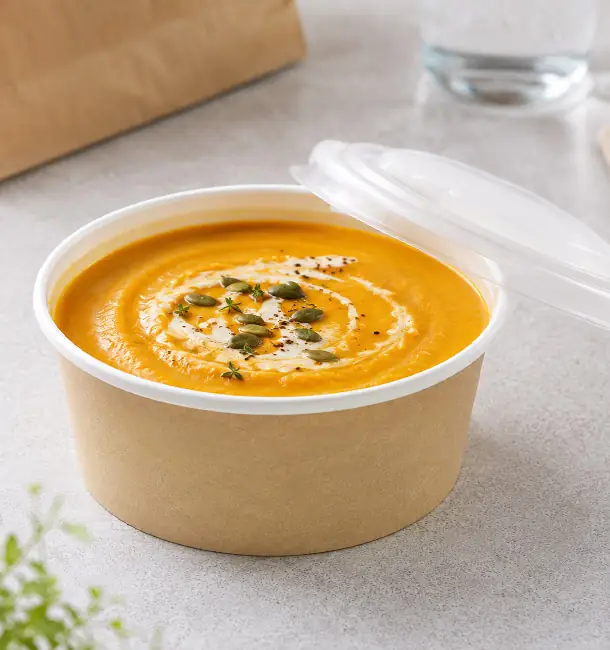
Pumpkin soup, mushroom risotto and dishes featuring chestnuts fit perfectly into an autumn menu and respond to the growing demand for hot vegetarian options, a segment that continues to gain importance.
Rice dishes and foods with mixed textures
Creamy or broth-based rice dishes combine liquid and solid textures, so cooking times need to be monitored particularly carefully. If they are packed at exactly the right point, the rice may continue cooking slightly during transport because of the steam trapped inside the container.
How to prepare each dish so that it arrives in the best possible condition
Choosing the right dishes is only half the job. The other half is making sure the preparation is specifically adapted to takeaway.
Adjust cooking and resting times
Cooking a dish slightly less than you normally would and allowing it to rest briefly before packing can prevent it from continuing to cook too much during transport. This is particularly important for rice, pasta and starch-rich stews.
Keep sauces and crispy elements separate
Serving sauces, creams or crispy garnishes in separate compartments or containers is one of the most effective ways to help a dish retain the texture it had when freshly prepared. It also prevents steam from softening ingredients that should remain crisp.
Choose the right packaging for each dish
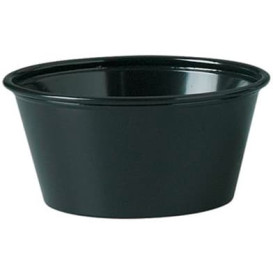
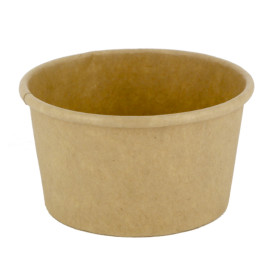
Packaging has a direct impact on the condition in which the food reaches the customer. Good packaging for hot food should help retain heat for approximately 20 to 40 minutes, control condensation through ventilation or micro-perforations, and provide a secure seal that prevents leaks from stews and dishes containing broth.
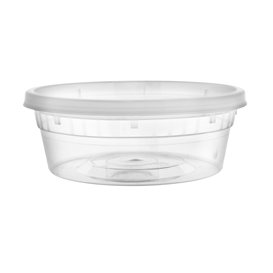
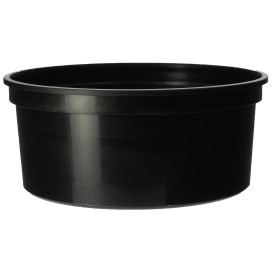
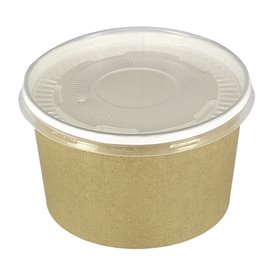
Choosing the right container for each type of food — for example, a round sealable container for stews, a rigid ventilated container for gratins, or a leak-resistant option for creamy soups — is just as important as the recipe itself when preparing an autumn takeaway service that works. If you are looking for suitable options, you can browse our range of food packaging.
Logistics and organisation of takeaway service in autumn
Preparing a successful autumn takeaway service also means organising the workflow in the kitchen and during delivery effectively.
Anticipate peaks in demand
Estimating the expected increase in orders in advance allows you to adjust kitchen shifts, preparation times and packaging stock, helping to prevent bottlenecks during the busiest periods.
Coordinate kitchen and delivery times
Synchronising the moment the food is packed with the collection by the delivery driver or customer reduces the amount of time the dish spends sealed in its container before leaving the premises. This helps preserve temperature and texture until it reaches its destination.
How to communicate your new autumn menu
Preparing a good autumn takeaway menu is of little use if customers do not know it exists. The way you present your new offering is also part of the process.
Food photography and descriptions
Photographs of steaming hot dishes and descriptions that mention seasonal ingredients such as pumpkin, mushrooms, chestnuts or homemade stock can generate more clicks on an online menu and help communicate the sense of comfort food that customers often look for at this time of year.
Fixed seasonal menus
A fixed-price autumn takeaway menu — for example, a main course with a seasonal dessert — can work better than a very extensive open menu because it makes the purchasing decision easier for customers and also helps streamline preparation in the kitchen.
Frequently asked questions about preparing takeaway for autumn
Which hot dishes are best suited to takeaway?
Stews, soups and dishes with sauces generally travel better than fried or breaded foods because the broth or sauce helps retain heat and moisture during transport.
How long can a properly packaged dish stay hot?
With suitable packaging, hot food to go can maintain a good temperature for approximately 20 to 40 minutes, depending on the type of container and whether it uses a heat-sealed closure.
How can you prevent food from losing its texture during delivery?
The three most effective measures are slightly adjusting cooking times, keeping sauces and crispy elements separate, and using ventilated packaging that helps control condensation.
Is it necessary to change packaging when switching from a summer menu to an autumn menu?
In many cases, yes. Autumn dishes generally produce more steam, fat and moisture than cold or lighter summer options, so they may require packaging with better heat retention and condensation control.
Conclusion
Preparing a takeaway service for autumn involves much more than simply changing a few recipes on the menu. You need to think about cooking times, separating sauces and garnishes, choosing the right packaging for each type of dish and communicating the new offering effectively to customers.
Paying attention to all these details is what makes the difference between a takeaway experience that disappoints and one that encourages customers to order again as soon as the temperatures start to fall.