Some places seem to transform when Christmas arrives. Streets light up, little wooden stalls begin welcoming visitors, and the smell of hot chocolate, freshly brewed coffee, and baked treats fills the festive air. A visit to a Christmas market becomes an experience where food plays just as important a role as gifts and decorations.
Often, the decision to stop for a bite is completely spontaneous. Someone spots a specialty while wandering around, a couple decides to share something sweet, or a group of friends stops for a hot drink. These little moments turn an ordinary stroll into a holiday memory.
Behind each of these moments are businesses working hard to serve their best creations. Coffee shops, bakeries, food trucks, pastry shops, and prepared-food businesses can use a Christmas market to reach new customers and showcase their food in a different setting.
But making a food stall stand out takes more than a delicious recipe. Easy choices, fast service, attractive food presentation, and the convenience of eating while walking all make a difference.
If you’re planning to take part in a Christmas market or want to adapt your business for the season, explore these nine food and drink ideas to attract customers and create an experience they’ll want to repeat.
Food is part of the magic of Christmas markets, too
Visiting a Christmas market is very different from sitting down for a meal at a restaurant. Visitors move between stalls, browse products, chat, take photos, and discover tempting foods along the way.
That means food isn’t always the main reason people visit, but it can easily become one of the most memorable parts of the experience.
A stall serving hot drinks may appeal to people looking for a break. A small bakery might tempt visitors who want to take a treat home. And a savory-food vendor can be especially appealing to people who would rather keep exploring than stop for a full sit-down meal.
For these ideas to succeed at a Christmas market, it’s important to understand how people eat in this environment. Customers often eat standing up, carry shopping bags, or share an order with friends. That’s why food should be as easy to enjoy as it is appealing to look at.
The key is to create a food offering that suits the occasion: familiar dishes, sensible portions, thoughtful presentation, and processes that keep lines moving without unnecessary delays.
Christmas Market: 9 food and drink ideas to attract customers
There’s no single food concept that works at every Christmas market. Each business has its specialties, its resources, and its own way of operating.
However, certain foods are particularly well suited to a Christmas market: they’re immediately recognizable, appealing in cold weather, and easy to serve as individual portions or sharing options.
Use these nine ideas as inspiration for a festive menu with its own personality, without having to completely reinvent the day-to-day operations of your business.
1. Hot chocolate: a comforting reason to take a break
Few drinks are as closely associated with chilly days as hot chocolate. Its aroma, creamy texture, and the comforting feeling of holding a warm cup make it especially appealing during a winter walk.
At a Christmas market, hot chocolate can become one of your stall’s signature items. It also lets you offer something memorable without needing a large menu.
Start with one core recipe and offer a few simple variations, such as a dash of cinnamon, a richer chocolate option, or a special holiday presentation.
Pairing it with a sweet treat can also work well. A cookie, a small pastry, or a waffle creates a complete snack and gives you room to offer different price combinations.
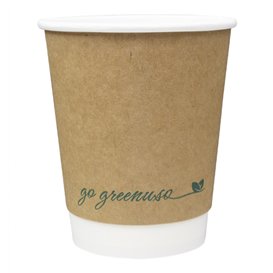
Since many customers will keep walking after buying, the serving format deserves special attention. A double-wall paper cup can help reduce heat transfer to their hands, while a compatible lid makes the drink easier to carry.
It’s not just about serving great hot chocolate. It’s about making sure customers can comfortably enjoy it while they continue exploring the Christmas market.
2. Coffee, cappuccino, and tea to enjoy on the go
Hot chocolate isn’t the only drink that can draw visitors in. Coffee, cappuccino, lattes, and tea can be especially effective for stalls that want to offer something less sweet.
For coffee shops, participating in a Christmas market is an opportunity to bring part of their regular café experience to a new setting. There’s no need to recreate the entire in-store menu, though.
A short drink menu makes the team’s job easier and helps keep preparation times more predictable. Choose the beverages that best represent your business and perhaps add one seasonal special.
You can also offer simple pairings, such as coffee with a spiced cookie or tea with a small pastry.
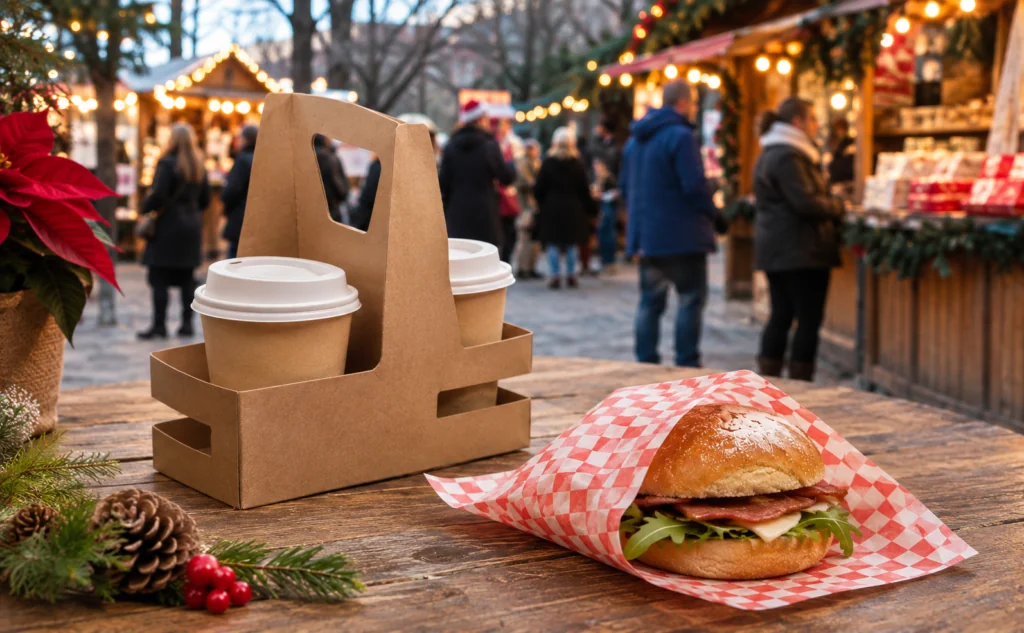
When several people order drinks together, carrying them safely becomes especially important. Cardboard cup carriers with handles can hold multiple cups and make it easier for customers to take their order to a table or seating area.
At a Christmas market, where shoppers often have their hands full of bags and purchases, this small detail can make the experience much more convenient.

3. Waffles and crepes: treats that catch the eye
Some foods start selling themselves before customers even reach the counter. Waffles and crepes are perfect examples: seeing them made fresh, smelling the warm batter, and choosing toppings can all attract people passing by.
At a Christmas market, these treats also add visual appeal. Watching a waffle cook or a crepe being prepared can spark curiosity and encourage visitors to stop.
They offer some room for customization without changing the basic recipe. You might serve a plain option, a chocolate version, and a third with seasonal ingredients.
Be careful not to make the combinations overly complicated, however. The more toppings and preparation steps each order needs, the longer customers may have to wait.
Convenience matters, too. A crepe that’s easy to hold or a waffle with a manageable amount of topping is more practical than a dessert that’s difficult to eat while walking.
For this kind of service, the packaging should complement the food without making it harder to eat. That’s especially important at a Christmas market, where visitors want to keep exploring after they buy.
4. Christmas cookies to enjoy or give as gifts
Cookies have one major advantage: they work equally well as a little treat to enjoy while strolling and as something to take home.
Butter, chocolate, gingerbread, and spiced varieties are all good options for a seasonal assortment. Different shapes and decorations can add variety, as long as they suit your bakery’s identity and production capacity.
For a bakery or pastry shop, a Christmas market can be a showcase for its specialties. You don’t always need to invent a new recipe; sometimes it’s enough to give a proven favorite a festive presentation.
A small box of assorted cookies, for example, can make an appealing gift or a treat to share. Presentation matters here because customers consider not just the product but how easily they can carry it and give it to someone else.
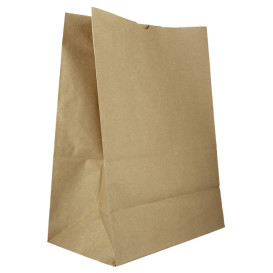
For cookies and other dry baked goods, a kraft paper bag with a closure and window lets customers see the contents without opening the package. A discreet label or small decorative touch can make the presentation feel more festive.
This approach is particularly effective at a Christmas market, where many purchases are intended as small gifts or treats to share.
5. Freshly baked pastries for winter afternoons
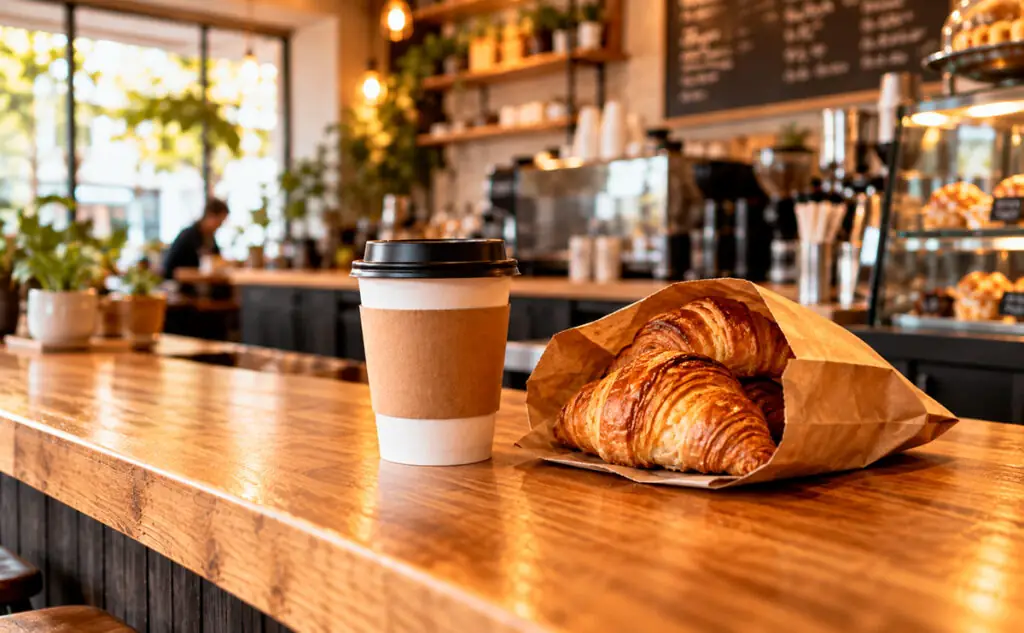
Cinnamon rolls, croissants, small puff pastries, and other baked goods can be great options for anyone looking for something sweet alongside a hot drink.
Their appeal goes beyond flavor. The aroma during baking, the look of a freshly made pastry, and the option to sell individual portions make them especially tempting.
If you already run a bakery, a Christmas market is a good chance to select some of your best-selling items and adapt them for faster service.
Working with familiar recipes simplifies planning and leaves more time to focus on restocking, preparation times, and presentation.
It’s also worth checking how each item holds up after baking. Some pastries retain their texture during display, while others taste best when served shortly after leaving the oven.
The wrapper or box should suit those characteristics. Packaging that seals in too much moisture can affect texture, while something too flimsy may make delicate pastries harder to transport.
With the right presentation, a simple afternoon treat can become one of the most memorable purchases at a Christmas market.
6. Roasted nuts and bite-sized snacks
Not every successful food idea needs complicated preparation or a long list of ingredients. Roasted nuts, candied almonds, and other small snacks can appeal to visitors who want a quick bite as they browse the stalls.
The appeal lies in their simplicity, their enticing aromas, and the ability to offer portions for different occasions.
At a Christmas market, a small serving can be an individual snack, while a larger package gives customers something to share or take home.
They can also add variety to a market already filled with hot drinks and baked sweets.
That said, it’s essential to manage allergen information and storage conditions properly, especially when handling tree nuts or recipes that contain other allergens.
The serving format also matters. An easy-to-hold package lets customers snack as they walk without having to find a table.
For a small food stall, this can be a practical way to round out the main Christmas market menu.
7. Hot sandwiches with a little personality
After visiting several stalls, many shoppers start looking for something more substantial than a small sweet treat. Hot sandwiches can fill that need without requiring customers to stop browsing for a formal meal.
They also make it easy to adapt everyday menu items to a street-food setting. Try different breads, vegetables, cheeses, prepared meats, or combinations that already represent your business.
At a Christmas market, one familiar, well-executed sandwich can be more appealing than a long list of options that are hard to tell apart.
The important thing is to make each item easy to prepare, hand over, and eat. An oversized sandwich or one with fillings that fall out after the first bite can be frustrating for someone standing up with shopping bags.
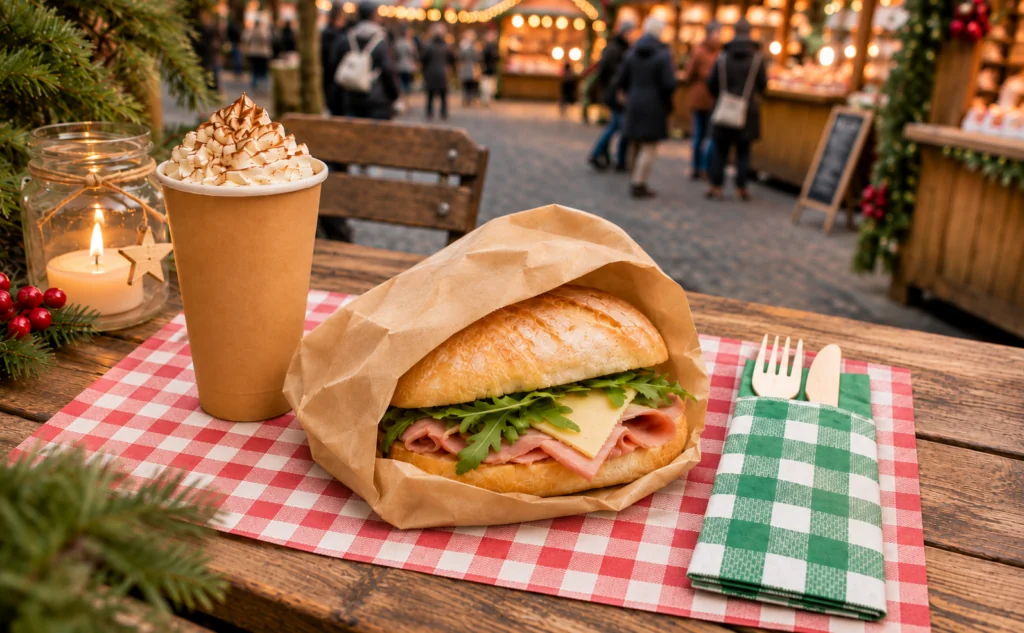
Pay attention to sauces and higher-fat ingredients as well. Red gingham greaseproof paper wraps can help protect customers’ hands and make the food look more appealing, with a checkered design that fits right into a festive Christmas market setting.
A simple combination of bread, filling, and the right wrapper keeps the food in the spotlight while taking care of the customer’s experience.
That extra attention matters when someone buys a sandwich to enjoy while continuing their walk around the Christmas market.
8. Savory pastries and small portions to eat standing up
Mini savory pies, filled puff pastries, and other baked savory snacks can work particularly well at food stalls with limited space.
One advantage is that they can be made in defined portions. This makes it easier to calculate ingredients, plan quantities, and organize service.
They also let you offer a little variety without changing your entire preparation process. A selection combining one traditional house recipe with a plant-based option may be enough.
Before deciding which dishes to bring to a Christmas market, check how well they maintain their texture after preparation and whether they need reheating before serving.
Portion size matters, too. An individual serving is often easier to eat while walking, while several pieces packaged together can make a good sharing option.
These dishes show that a simple menu can suit different eating occasions without making operations unnecessarily complex.
For a Christmas market, a small selection of clearly differentiated savory items can help customers choose quickly and make the team’s work easier.
9. Mini burgers and wraps: street food with a festive twist
Street food has a natural place at Christmas markets. Mini burgers, wraps, and other hand-held options give visitors a savory alternative when they want something different from the usual sweets.
For businesses specializing in these foods, a Christmas market offers a chance to showcase their recipes in another format. The goal shouldn’t be to recreate the entire regular menu, but to select the dishes best suited to the event.
A burger overloaded with toppings can be difficult to assemble and eat. A wrap that’s too full may split open while being carried. It’s worth reviewing each recipe with the customer’s actual experience in mind.
Preparation can also be simplified by using ingredients across several menu items. This allows the stall to offer variety without stocking an excessive number of products.
If you already serve street food, build on your usual recipes and adapt them into portions that are easy to prepare, wrap, and carry. Choosing the right packaging helps protect the food and lets customers keep walking.
The most important thing is to preserve your business’s flavor and identity while making the food practical for a setting where most customers want to continue browsing.
That way, a Christmas market becomes an opportunity to introduce people to your specialties without sacrificing simple, recognizable preparation.
Make your food stall stand out at the Christmas market
At a Christmas market, food competes for attention with plenty of other attractions. Lights, music, decorated stalls, and bustling crowds all contribute to a constantly changing visual experience.
That’s why a good recipe alone isn’t enough. Visitors also need to understand quickly what you’re selling and find a reason to come over.
A small menu can work better than an overly extensive one
When someone approaches a food stall, they usually want to make a quick decision. Too many choices, unclear prices, or confusing combinations may lead them to walk away without buying anything.
A focused menu helps highlight your specialties and makes it easier for staff to explain what’s available.
It has operational advantages as well. The fewer different dishes you need to prepare, the easier it can be to organize your space, calculate ingredients, and maintain a steady pace of service.
This is especially useful at a Christmas market, where busy periods can bring a rush of orders in a short amount of time.
That doesn’t mean giving up variety. It means offering enough distinct choices without adding unnecessary steps to the process.
Festive colors that complement your food
Decorating a food stall doesn’t have to be complicated. Small details can create a warm, recognizable look without taking attention away from the food.
Red, green, burgundy, and gold can be paired with kraft finishes, wood, or neutral elements to create a presentation that feels right for the holidays.
At a Christmas market, the same approach can guide both stall decorations and the materials used to serve food.
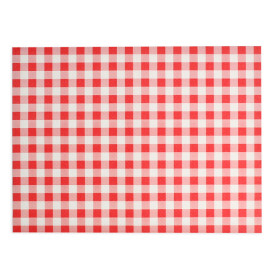
For example, a red gingham paper placemat can bring a traditional touch to the tables, while a green gingham cutlery-pocket napkin keeps utensils neatly presented. Together they combine two colors closely associated with Christmas.
What’s important is that the stall’s style, the food, and the serving materials all feel consistent.
Even a small area with shared tables can feel more welcoming when it has a cohesive look, surfaces and materials that are easy to clean or replace, and enough serving essentials for customers.
Ultimately, visual identity is part of the dining experience, too, especially when someone discovers your business for the first time at a Christmas market.


Convenience is part of the customer experience, too
Imagine someone who has just bought a hot drink and a sandwich. They have a shopping bag in one hand, a phone tucked into their coat pocket, and they want to keep browsing the stalls.
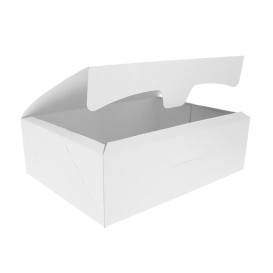
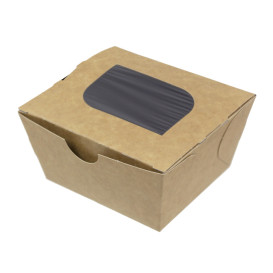
At a Christmas market, little details like a well-fitting lid, an easy-to-hold wrapper, or a sturdy container can make a big difference.
Food presentation shouldn’t be designed only to look attractive on the counter. It also needs to work after the customer walks away.
An item may look excellent when freshly prepared but quickly lose its appeal if it gets crushed, a sauce spills, or the customer needs too many utensils to eat it.
To help avoid these problems, check a few things before finalizing your Christmas market menu:
- Can customers comfortably hold and eat the food?
- Is the container suitable for the food’s temperature and contents?
- Will the presentation hold up during transportation?
- Can the order be handed over without unnecessary service delays?
- Will customers need napkins, cutlery, or other accessories?
Thinking through these questions in advance can help prevent problems and make orders easier to manage.
A pleasant experience isn’t just about flavor. It’s also about how easy it is to enjoy what you’ve just bought.
How to organize a food stall and keep lines moving
Customer traffic at Christmas markets can vary greatly throughout the day. At quieter times, the team may have plenty of time to prepare each order. At other moments, several customers may arrive together and expect quick service.
One advantage of creating a menu specifically for a Christmas market is that you can plan much of the work ahead of time.
Get everything ready before service begins
The less time you spend searching for ingredients, gathering supplies, or improvising combinations, the easier it is to maintain a steady workflow.
Decide which dishes can be prepared in advance without affecting quality or food safety, which need to be made to order, and what supplies must be restocked throughout the day.
Assigning roles can also be helpful. One person might handle certain preparations while another manages orders and pickup, provided the size and setup of the stall allow it.
The goal isn’t to make service more complicated with unnecessary procedures. It’s to make routine tasks simple and predictable.
Clear organization helps the team handle peak periods at the Christmas market more efficiently.
Pair foods and drinks that can be prepared at a similar pace
Food-and-drink combos can help customers make decisions and make complete orders easier to assemble.
Coffee with a cookie, hot chocolate with a pastry, or a sandwich with a drink are all straightforward examples.
However, a combo only improves efficiency if its components can be prepared in compatible time frames. If one part takes much longer, any expected time savings may disappear.
Before introducing a bundled offer, review ingredient costs, preparation times, and the packaging needed to serve it.
This helps you put together appealing offers without unnecessarily reducing your margins, even on the busiest Christmas market days.
Pay attention to your best-selling items
Not every food will sell equally well during an event. Some may be particularly popular early in the day, while others become more appealing as temperatures fall or crowds grow.
Tracking which specialties sell most often helps you adjust production quantities and reduce the risk of unsold food.
It can also reveal opportunities. If customers regularly order a particular sweet with a certain drink, it may make sense to offer them together.
Instead of keeping the entire menu unchanged, use what you learn each day at the Christmas market to improve the next one.
Look after food safety and keep customers informed
At a food stall, good organization doesn’t end when the recipe is finished. Proper food handling, storage, and serving conditions are just as important.
Each food’s characteristics determine how it should be stored, whether it needs to be kept chilled or hot, and how long it can be held before serving.
At a Christmas market, clean work surfaces and utensils, separation of raw and ready-to-eat foods, proper cooking, and safe holding temperatures are all essential for safe service.
For more guidance, see the European Food Safety Authority’s (EFSA) recommendations on proper food handling, which cover hygiene, preventing cross-contamination, cooking, and safe storage.
You should also prepare clear ingredient and allergen information. When your menu includes doughs, milk, eggs, tree nuts, and assorted fillings or toppings, staff need to know the recipes and be able to answer customers’ questions accurately.
Food safety, transparent information, and convenient service all contribute to the same goal: helping visitors enjoy their food with confidence.
Keep the relationship going after the market visit
A Christmas market may be a customer’s first encounter with your business. They might discover a new favorite coffee, a delicious baked specialty, or a sandwich they’d love to order again.
So beyond sales made during the event, it’s worth considering how you can help those customers remember your business.
Consistent packaging, a label with your business name, or clear contact information can help keep that connection alive after the purchase.
If you have a physical storefront or regularly offer takeout, the market is also an opportunity to introduce customers to that side of your business without turning every sale into a promotion.
Above all, the experience itself should be worthwhile. Friendly service, well-presented food, and convenient packaging create a more lasting impression than any extra message printed on the wrapper.
The goal isn’t just to sell during the holidays. It’s to give customers a reason to choose your business again after the Christmas market ends.
Frequently asked questions about food at Christmas markets
What food works best at a Christmas market?
Foods that are easy to recognize, prepare, and eat usually work well at these events. Hot drinks, individual sweets, sandwiches, and small savory dishes are all possibilities. The best choice depends on your business’s specialty and the particular Christmas market.
How many items should be on a food stall menu?
There’s no universal number. A shorter menu can make it easier to manage ingredients, organize preparation, and maintain predictable service times. It’s better to offer a few clearly differentiated items than to add more options than your team can handle.
How can a food stall attract more attention?
Appetizing food displays, tempting aromas, an easy-to-understand menu, and a consistent visual style can all draw visitors in. At a Christmas market, clear pricing and fast, friendly service also matter.
What makes eating at a Christmas market more convenient?
Easy-to-carry orders, suitable food containers, napkins, and any necessary utensils can make a real difference. Good presentation should let customers enjoy their purchases whether they sit at a table or continue exploring.
Christmas markets: small flavors that create lasting memories
When we think of a Christmas market, it’s easy to picture the lights, music, and decorated wooden stalls. But we also remember the flavors: a hot chocolate shared with someone special, the smell of freshly baked dough, or a sandwich enjoyed while browsing.
These simple experiences are part of the holidays and, for many visitors, become little traditions they look forward to each year.
For a coffee shop, bakery, food truck, or prepared-food business, taking part in a Christmas market is a chance to be part of those memories.
You don’t need an endless menu or a complete change of identity. Often, a few carefully chosen specialties, thoughtfully prepared orders, and attention to how customers will eat them are enough.
Holiday food is about more than special recipes. It’s also about the atmosphere, presentation, company, and small details that turn an unexpected purchase into an enjoyable experience.
And perhaps that’s the real value of a great food stall: making sure that, among all the lights and little wooden booths, someone remembers the flavor of what they discovered at yours.