

The different types of plastic used in food packaging play an essential role in helping to protect, preserve and present food safely. Today, we want to take a closer look at this material and explain why it remains so important in the food industry.
Have you ever stopped to think about the important role this material plays in keeping your favourite foods fresh and safe? Plastic is one of the best materials for preserving and presenting food. Why? Because it protects products from air, moisture and unwanted contaminants. And that is not all: its versatility knows virtually no limits, which is why you can find everything from food containers to all kinds of cutlery and tableware made from this material.
Thanks to these properties, we can enjoy fresh and safe food while reducing food waste and ensuring every bite is just as delicious as it should be. Its lightweight nature also makes transport and service more efficient, helping to reduce environmental impact. It really is a win-win!
And yes, we know that plastic can be a somewhat controversial subject, but here we explain why this material continues to play such an important role in our everyday lives and how we can use it as responsibly as possible.
The importance of plastic in the food industry
Plastic has proved to be an essential material in our everyday lives, particularly when it comes to food. From the moment our food is produced until it reaches our table, plastic plays a key role at every stage of the process. Its ability to protect products and preserve their freshness is hard to match, allowing us to enjoy a wide variety of foods in optimum condition.
Plastic is also easy to manufacture and use, making it a practical solution to many of the challenges faced by the food industry. Its versatility extends well beyond preservation; it is essential for food safety and efficient transport, while also contributing to economic and environmental sustainability.
But that is not all. Plastic offers many other advantages in the food industry. Below, we take a closer look at some of its main benefits:
- Protection and preservation: One of the main reasons why plastic is so widely used in the food industry is its ability to protect and preserve food. Plastic food containers and other types of tableware made from this material provide an excellent barrier against air, moisture and external contaminants, helping to extend the shelf life of products. This not only reduces food waste but also ensures consumers receive fresh and safe products.
- Versatility and adaptability: Plastic is incredibly versatile and can be moulded into a wide variety of shapes and sizes, enabling manufacturers to create packaging adapted to the specific requirements of each product. From drinks bottles to trays for meat and fruit, plastic provides customised packaging solutions that optimise storage and presentation on shop shelves.
- Sustainability and efficiency: Although plastic has received criticism for its environmental impact, it is important to recognise the progress made in the development of biodegradable and recyclable plastics. These innovations are transforming the industry by providing more sustainable alternatives while retaining the advantages of traditional plastics. Plastic packaging is also generally lightweight, helping to reduce both transport costs and the carbon footprint associated with food distribution.
- Lower costs for all types of businesses: Plastic is an economical material that allows food businesses to keep production costs down. These savings can translate into more affordable prices for consumers, making a wide range of food products accessible to more people.
- Continuous innovation: The plastics industry is constantly evolving, developing new technologies that improve food safety and the consumer experience. From smart packaging capable of indicating food freshness to materials designed to improve recyclability, plastic continues to evolve to meet the demands of an ever-changing market.
For all these reasons, plastic plays a crucial role in the food industry, providing packaging solutions that help ensure food quality, safety and accessibility. As the industry moves towards more sustainable practices, plastic will continue to be a fundamental part of the protection and presentation of food products.

Main types of plastic used for food packaging and tableware
Plastic is an incredibly versatile material that adapts to the many different requirements of the food industry. Its ability to take on different shapes and functions makes it an essential material for handling and coming into contact with food. Each type of plastic offers specific properties and advantages: some help keep fruit and salads fresh for longer, while others ensure your coffee stays at the right temperature without losing its aroma or flavour.
Modern plastics are not only focused on preservation and food safety, but also on sustainability and efficiency. The industry has progressed towards the development of recyclable and biodegradable plastics that reduce environmental impact. These innovative materials are designed to meet the demands of environmentally conscious consumers, looking for a balance between practicality and environmental responsibility.
Below, we explain the main types of plastic used in the food industry and their key characteristics:
Polyethylene (PE)
Polyethylene (PE) is one of the most commonly used plastics and can be divided into two main types, each with its own particular characteristics:
- Low-density polyethylene (LDPE): This type of polyethylene is known for its flexibility and resistance to moisture. It is commonly used as an inner lining for certain cups and containers that need to withstand moisture for extended periods, as well as in plastic wrapping, freezer bags and even supermarket carrier bags. Its ability to stretch without breaking makes it ideal for protecting food that comes into direct contact with the packaging.
- High-density polyethylene (HDPE): HDPE is more rigid and more impact-resistant than LDPE. It is used in milk and juice bottles, cleaning-product containers and certain types of lids. Its denser structure makes it less permeable and more suitable for liquids and products that require sturdier packaging.
Polyethylene terephthalate (PET)
As you probably experience every day, when you drink from a bottle of water or a soft drink, you are very likely holding PET. PET plastic, or polyethylene terephthalate, is one of the most common and versatile plastics in everyday life. It is widely used in the food industry due to its excellent properties, making it ideal for packaging and presenting products. Its light weight and strength make it perfect for water bottles, soft drinks and edible oils.
PET is also one of the most widely recycled plastics, helping to reduce environmental impact and support the circular economy.
Polystyrene (PS)
Polystyrene (PS) is widely used in the food industry due to its versatility and adaptability. This material comes in several forms, allowing it to be used for a wide range of packaging applications:
- Rigid polystyrene: Popular for products such as yoghurt containers, butter packaging and single-use cups thanks to its impact resistance and ability to maintain its shape.
- Expanded polystyrene (EPS): Commonly known as foam, it is lightweight and has excellent insulating properties. It is ideal for takeaway food packaging and meat trays, helping to maintain food at the appropriate temperature, whether hot or cold.
PS faces significant challenges in terms of sustainability and recycling. In particular, EPS can be difficult to recycle because of its low density and large volume. This has led to stricter regulations on its use and encouraged the development of more environmentally friendly alternatives.
Polypropylene (PP)
Polypropylene (PP) is a type of plastic widely used in the food industry because of its excellent thermal and chemical properties, making it ideal for containers that can be heated in the microwave. It is commonly used for ready-meal containers, yoghurt lids and takeaway food containers thanks to its ability to maintain its shape at high temperatures. In addition to its resistance, PP is lightweight and durable, making transport and handling easier while reducing costs and the risk of breakage.
Furthermore, PP is recyclable, making it a more sustainable option compared with certain other plastics. Growing demand for more environmentally responsible packaging solutions has driven innovation in PP recycling, helping to improve its environmental profile.
Styrene acrylonitrile (SAN)
Styrene acrylonitrile (SAN) is a copolymer known for its transparency, impact resistance and thermal stability, making it ideal for a wide range of food packaging applications. It is commonly used for reusable storage containers, premium tableware, tumblers and crystal-effect glasses, thanks to its excellent visibility and ability to withstand everyday use.
Although SAN recycling is less common than the recycling of some other plastics, its durability reduces the need for frequent replacement, helping to reduce its environmental impact. Its combination of functionality and appearance makes it a popular choice for products requiring both high quality and attractive presentation.
Tritan
Tritan is a bisphenol A (BPA)-free copolyester, known for its safety, glass-like clarity and high impact resistance, making it ideal for food containers, tumblers, glasses, jugs and other types of tableware.
Its durability and resistance to heat mean it can be used in dishwashers, making it a popular option for reusable water bottles and utensils, particularly children’s products. Although it is not biodegradable, its long service life helps reduce waste, while its BPA-free composition responds to consumer concerns about food safety. Tritan is increasingly valued for its combination of functionality, safety and appearance.
Polylactic acid (PLA)
Polylactic acid (PLA) is a bioplastic derived from renewable resources such as corn starch and sugar cane. It is notable for being biodegradable and compostable under industrial conditions. It is widely used in the food industry to manufacture cups, single-use cutlery and containers for fresh foods, as it is more suitable for temperatures below 55°C. It is also valued for its suitability for food contact and its visual clarity, which is similar to PET.
Although PLA offers a more sustainable alternative to conventional plastics, it also faces challenges relating to domestic compostability and the use of agricultural land for its production. Nevertheless, PLA represents a promising alternative for reducing dependence on petroleum-based plastics.
Advantages of using plastics in foodservice environments
In the hospitality and foodservice sector, it is important to remember that plastic products are manufactured from a variety of materials, each offering specific advantages. Some plastics, for example, are better suited to keeping food hot, while others are ideal for freezing or reheating.
Throughout this article, we have explained the unique properties of each type of plastic to help you make informed decisions and select the best option for your specific requirements. This allows you to optimise both functionality and efficiency in a foodservice environment.
To make everything even clearer, below you will find a simple table summarising the main characteristics of each type of plastic when used for food packaging.
| Type of plastic | Use in food products | Temperature range | Main characteristics and advantages |
|---|---|---|---|
| Low-density polyethylene (LDPE) | Inner lining of cups and containers, stretch film and bags | -50°C to 80°C | Flexible, tear-resistant and provides a good barrier against moisture |
| High-density polyethylene (HDPE) | Squeeze bottles for sauces and disposable clothing | -100°C to 80°C | Flexible, tear-resistant and provides a good barrier against moisture, oils and fats |
| Polyethylene terephthalate (PET) | Cold-drink cups, salad containers and lids for cold-food containers | -18°C to 70°C | High transparency, recyclability and impact resistance. Single-use and recyclable |
| Polystyrene (PS) | Single-use cups and plates and food trays | -10°C to 85°C | Lightweight, good thermal insulation and recyclable |
| Polypropylene (PP) | Reusable plates and cups, microwave-safe containers, durable cutlery and heat-sealable film rolls | -20°C to 120°C | Heat-resistant, durable and suitable for microwaves and dishwashers. Reusable |
| Styrene acrylonitrile (SAN) | Reusable tumblers, glasses, jugs and miniature serving pieces | -40°C to 95°C | Rigid, glossy and chemically resistant. Reusable and dishwasher-safe |
| Tritan | Reusable tumblers, glasses, jugs and miniature serving pieces | -40°C to 100°C | Shatter-resistant, dishwasher-safe, BPA-free and crystal-like in appearance |
| Polylactic acid (PLA) | Tableware, cutlery and biodegradable and compostable food containers | -20°C to 50°C | Biodegradable, renewable in origin and suitable for cold foods |
Different types of plastic and how they are used in Monouso products.
Classification and recycling of different types of plastic
The classification and recycling of different types of plastic is a fundamental aspect of waste management and environmental protection. Every time we use plastic packaging or a plastic product, it is important to remember that not all plastics are the same. These materials are mainly classified according to their chemical composition and structure, which directly affects their properties, durability and, most importantly, their recyclability.
Understanding how plastics are classified allows us to act more responsibly in our everyday lives, helping to reduce waste and protect the planet.
Plastic identification codes
You have probably noticed a small number inside a triangle on the bottom of containers, tumblers, glasses, jugs and countless other products and wondered what it means. This simple code provides useful information. Understanding it can help you make more informed decisions when choosing the plastic packaging best suited to your needs.
This number is more important than it might appear. It is known as the Plastic Identification Code. This system was created so that we can easily identify the type of plastic used to manufacture everyday products. This small detail can make a major difference to how we recycle and care for the environment.
Each number, from 1 to 7, represents a different type of plastic. Understanding what these numbers mean can help you recycle correctly and even avoid certain plastics if you want to make a more sustainable choice. In other words, knowing these codes gives you the information you need to make more conscious and responsible purchasing decisions.
The Möbius loop, surrounding these numbers, is a universal recycling symbol. It is formed by arrows arranged in a continuous loop, symbolising the ongoing cycle of use and recycling. Although the symbol may suggest that a product is recyclable, it is always advisable to check local recycling facilities, as recycling capabilities can vary.
With all this information in mind, below is an overview of the different types of plastic, their typical uses before and after recycling and how easy they are to recycle, using a scale from 1 to 4, where 1 is very easy and 4 is very difficult.
Practical applications of plastics in the hospitality industry
We know that efficiency and practicality are essential for success in the hospitality and catering industry. And this is precisely where plastic becomes an essential material for the sector.
This incredibly versatile material is the perfect companion for both professional chefs and event organisers who need fast and effective solutions. It is also ideal if you want your small business or even your home to offer practical solutions that others will want to follow.
Plastic food containers are essential for storing and preserving food. They not only help maintain freshness and flavour but also ensure food reaches the table in optimum condition. Plastic also plays a crucial role in preventing cross-contamination, helping to make every serving safer for customers and users alike.
Food preservation
If you work in hospitality, you know that preserving food efficiently is not simply a matter of convenience; it is essential for ensuring the quality of every dish you serve. When it comes to keeping ingredients fresh and in optimum condition, plastic can be an invaluable ally.
Plastic bags for freezing and refrigeration are essential for maintaining the freshness and nutritional properties of a wide variety of foods while helping to prevent waste. If you need a more durable solution, vacuum-sealing bags are an excellent option, creating an airtight seal that preserves the flavour and texture of ingredients for longer. For chilled products such as cakes or salads, suitable plastic containers help ensure they reach customers in perfect condition.
In all these applications, plastic acts as an impermeable barrier, helping to prevent unwanted changes in the colour, smell or flavour of products. This ensures each ingredient reaches the table in optimum condition.


Presentation at events and celebrations
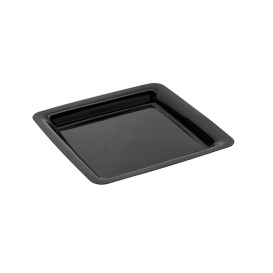
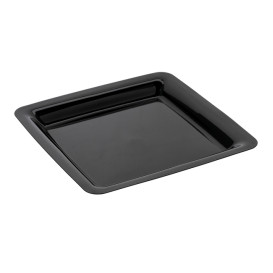
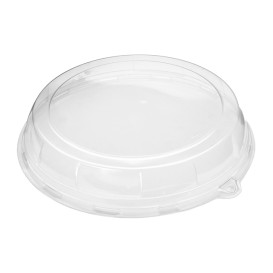
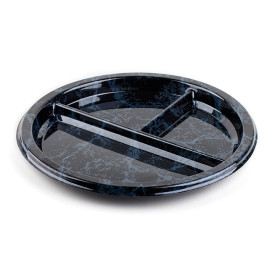
Plastic has firmly established its place in the hospitality and catering sector, playing a key role in food presentation and event logistics. From its ability to adapt to different styles and shapes to its versatility in use, plastic is an essential tool. Whether you choose plates, trays, rigid tumblers or mini serving pieces for catering, this material allows professionals to create attractive and functional presentations. Its light weight and durability also make it an excellent choice for both formal and informal events.
When it comes to safety, plastic is one of the most practical options for all types of events. There is no need to worry about breakages or accidents, making it ideal for both large gatherings and smaller celebrations at home. You can also choose between single-use options, which simplify cleaning afterwards, and reusable alternatives, which support a more sustainable approach without sacrificing practicality. Plastic can therefore adapt to the requirements of each occasion, providing solutions that combine appearance, functionality and safety.




Safe food transport
Food transport has evolved to become a crucial part of the catering and hospitality sector. The need to deliver culinary creations beyond the premises has driven the development of practical and efficient solutions that ensure food reaches its destination in perfect condition. Plastic takeaway and delivery containers need to be functional while also contributing to the customer experience by preserving both food quality and presentation.
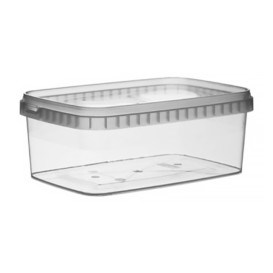
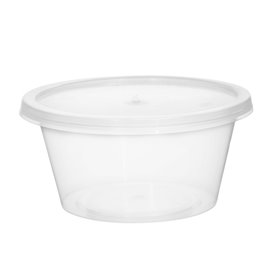
To meet the challenge of maintaining freshness and the correct temperature, plastic food containers can be adapted to different requirements. There are specific options for chilled foods, such as salads and poke bowls, which help keep food at its optimum temperature. Other containers are microwave-safe, making it easy to heat meals without transferring them to another container. Reusable containers also provide a durable and more sustainable solution without compromising functionality.
The durability and resistance of these containers are essential for preventing leaks or damage during transport, helping food arrive in perfect condition. In addition, an attractive and well-designed container reinforces the quality of the service and improves customer perception. Food transport therefore becomes a natural extension of a business’s commitment to culinary excellence.





Factors to consider when choosing plastics for packaging
When selecting plastic packaging for the food industry, it is essential to consider several key factors that can affect both product quality and consumer safety.
Choosing the right material not only ensures food is properly protected and kept fresh, but can also improve operational efficiency and the sustainability of the business.
Food safety standards, regulations and certifications
In Spain, regulations governing plastic packaging, tableware and other products intended to come into contact with food are primarily based on European Union legislation, supplemented by national regulations. Regulation (EU) No 10/2011 establishes specific requirements for plastics, including a list of permitted substances and migration limits designed to prevent adverse effects on health or food. In addition, Regulation (EC) No 1935/2004 ensures that all materials intended to come into contact with food are safe and do not alter the properties of the food.
These regulations reflect efforts both to protect consumer health and to minimise the environmental impact of plastics. Regulations continue to evolve as new knowledge and technologies emerge, helping to ensure food safety and environmental sustainability.
The importance of BPA-free labelling on plastics
Bisphenol A, or BPA, is a chemical compound used mainly in the manufacture of certain plastics and resins. It has been used to manufacture some types of plastic since the 1960s.
The main concern surrounding BPA is that it can migrate from plastics into the food and drink they contain. This is particularly relevant when plastic is exposed to heat, for example when food is heated in a plastic container in a microwave or when a plastic water bottle is left in direct sunlight.
A product labelled “BPA-free”, such as those you can find at Monouso, indicates that Bisphenol A has not been used in its manufacture. This is important because it reduces the possibility of exposure to this potentially harmful chemical.
Current trends in the use of plastic in the food industry
We know sustainability is on everyone’s mind. The food industry is no exception and is adopting innovations that aim to create a greener future. Want to know what is happening? Here are some of the key trends:
- Bioplastics and biodegradable plastics: New and innovative materials are emerging. Imagine plastics made from resources such as corn that are not only more environmentally friendly but are also designed to break down without leaving a lasting trace. It represents a major change in the way we approach packaging.
- Recyclability and the circular economy: More and more businesses are investing in recycling, transforming plastic waste into new products. This helps close the loop and contributes to a more sustainable economy.
- Smart plastics: Can you imagine packaging that tells you when food is no longer fresh? Technology is taking packaging to the next level, improving the user experience and helping to reduce food waste.
Ultimately, the world of plastic in the food industry is full of innovations designed not only to improve product quality and safety, but also to help protect the environment.
Where can you buy plastic products for your business?
At Monouso, we understand how important it is to choose the right plastics for your business in the food industry. That is why we offer a wide range of solutions designed to meet all kinds of requirements, from food storage bags to plastic tableware and containers. Whether you need durable containers for delivery, practical takeaway packaging or tableware for special events, at Monouso you will find options designed for every situation.
Our experience in the industry allows us to understand the specific requirements and challenges businesses face. That is why we offer not only quality products, but also a personalised service to help you select the solution that best suits your business. Our customer service team is always available to answer your questions and guide you through every step of the process. If you are looking for plastic packaging that combines functionality, safety and appearance, at Monouso we have everything you need to take your service to the next level.