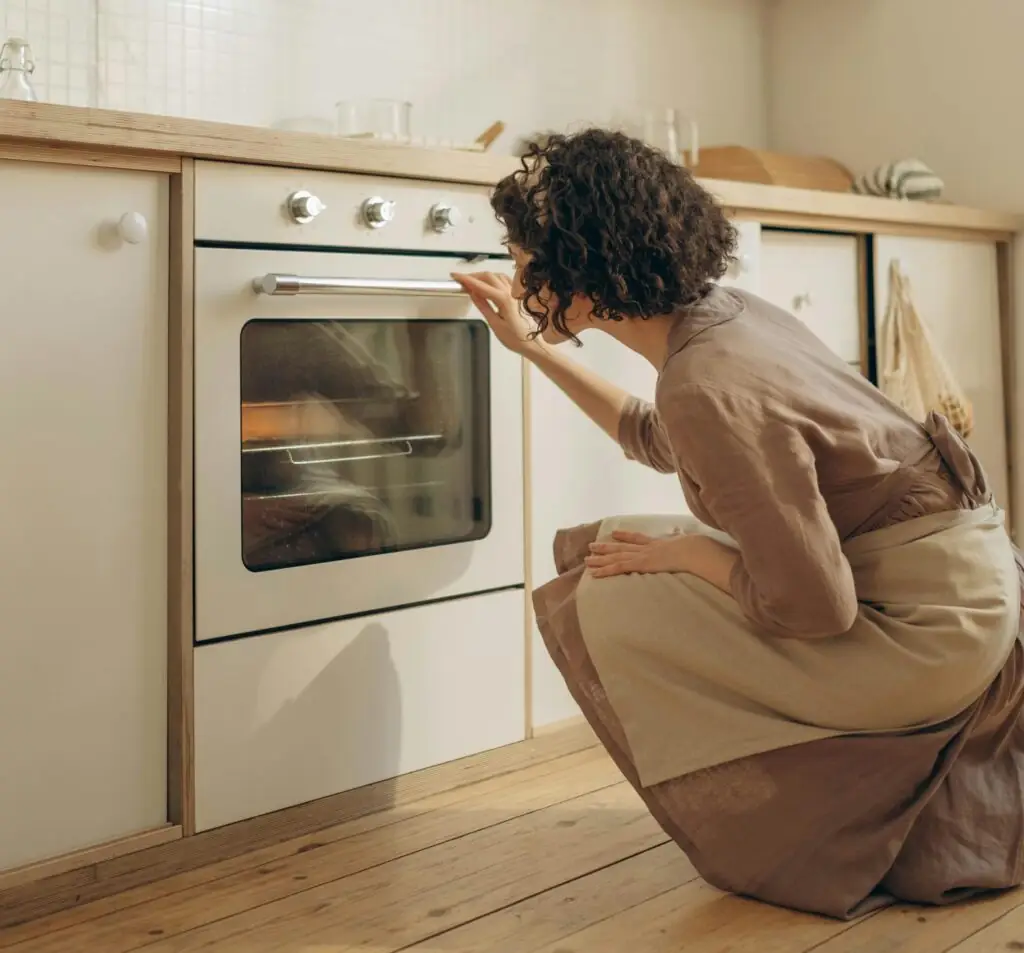
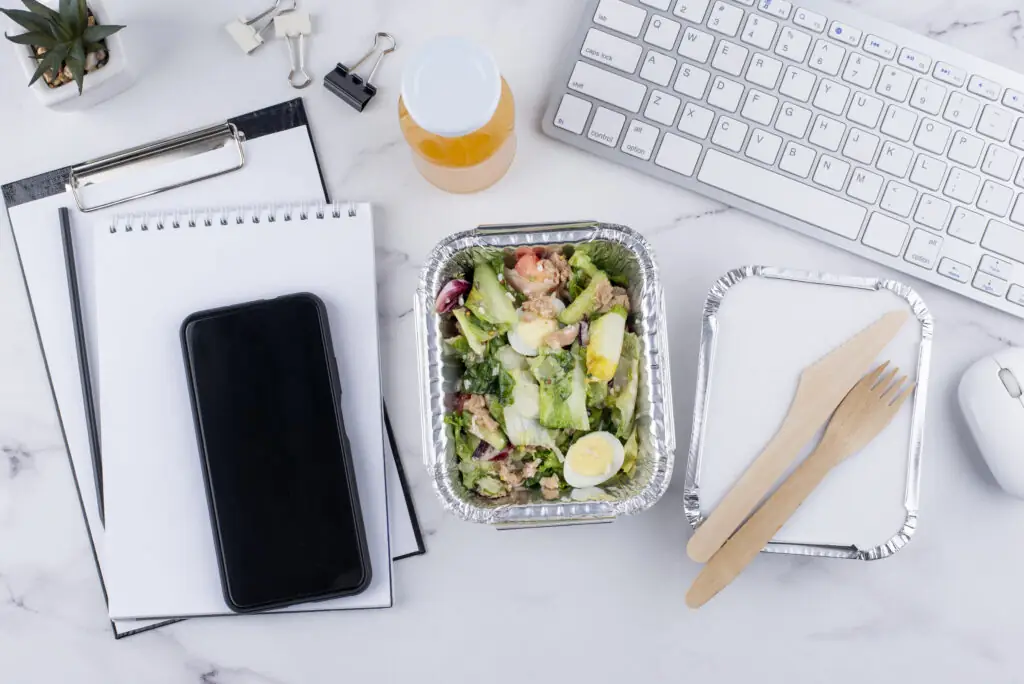
Do you work in an office without a kitchen? Do you spend the day travelling from one place to another? Or do you simply prefer to avoid reheating your food? More and more people are looking for no-microwave lunch ideas that are practical, balanced and full of flavour.
The good news is that eating well away from home does not mean giving up variety. With a little planning, the right ingredients and suitable containers, it is easy to prepare meals that taste just as good cold or at room temperature.
In this article, we explain why choosing a no-microwave lunch can be a great option, how to keep it in good condition and which recipes work well for taking to work.
Why choose a no-microwave lunch?
Although many workplaces have a microwave, it is not always available or convenient to use. In busy offices, queues can form during the lunch break, while people working outdoors, travelling or attending long meetings may not have access to one at all.
Many recipes also keep their texture and flavour better when eaten cold or at room temperature. Salads, wraps, Mediterranean dishes and sandwiches are good examples of meals that do not need heating to be enjoyable.
Choosing a no-microwave lunch also has other advantages:
- It allows you to eat almost anywhere.
- It saves time during your lunch break.
- It makes weekly meal planning easier.
- It reduces the need to use shared appliances.
- It offers more fresh and light recipe options, especially during warmer months.
With the right containers, your food will retain its flavour and presentation until it is time to eat.
Tips for keeping food fresh without a microwave
Preparing a good meal is only part of the process. Keeping it in the best possible condition until lunchtime is just as important.
Use airtight containers
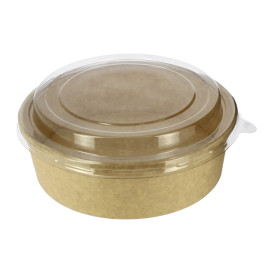
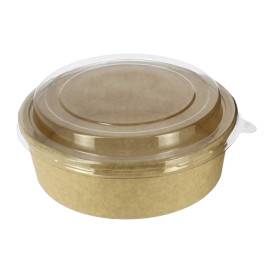
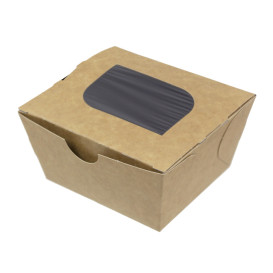
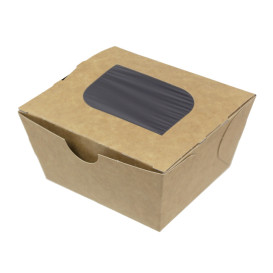
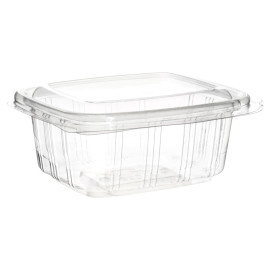
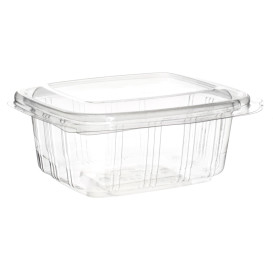
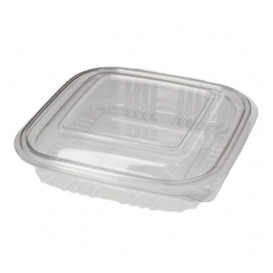
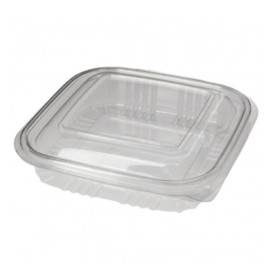
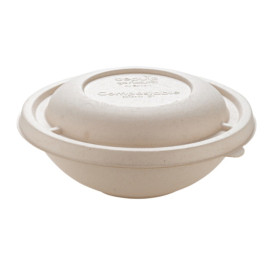
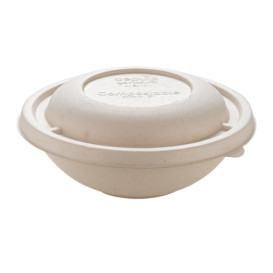
Airtight containers help preserve food, prevent leaks and protect the contents from exposure to air. They also make it easier to carry salads, cold dishes and sandwiches safely.
Salad containers with secure lids are a practical and organised way to take food to work.
Keep food at a safe temperature
If your meal will remain out of the fridge for several hours, use an insulated lunch bag with ice packs. This helps maintain a safe temperature for longer and preserves the quality of the food.
This is especially important for meals containing dairy products, eggs, fish or cooked meat.
Carry sauces and dressings separately
One of the most common mistakes is adding dressing too far in advance. Sauces can make ingredients such as lettuce, bread and vegetables go soggy.
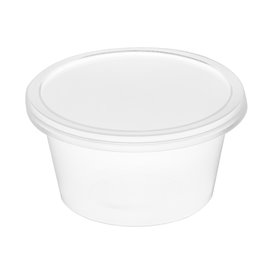
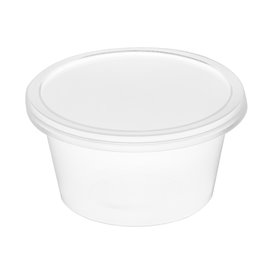
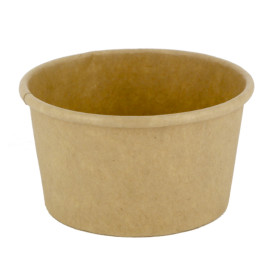
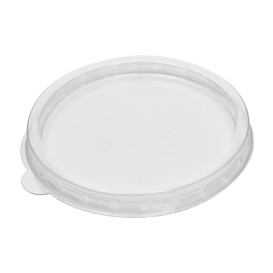
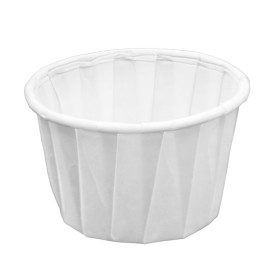
The best option is to carry dressings in small separate containers and add them just before eating. This keeps the meal fresher and more appetising.


Choose ingredients that keep well
Not all foods react in the same way after several hours. For a good no-microwave lunch, choose ingredients that maintain their texture and flavour.
Good options include:
- Cooked pasta.
- Rice.
- Pulses.
- Fresh vegetables.
- Nuts.
- Mature cheeses.
- Cooked chicken.
- Tinned tuna or salmon.
- Boiled eggs.
No-microwave lunch ideas for work
There are far more options than you might think. Here are a few simple ideas you can prepare in advance.
Complete salads
Salads become much more satisfying when they include protein, carbohydrates and vegetables.
You could prepare:
- Pasta salad with cherry tomatoes, mozzarella and basil.
- Mediterranean chickpea salad with cucumber, olives and feta.
- Rice salad with chicken and vegetables.
- Quinoa salad with avocado and fresh vegetables.
Packed in a suitable container, they can stay fresh for hours.

Wraps and sandwiches
Wraps are a convenient option for eating away from home.
You can fill them with chicken, hummus, vegetables, cream cheese, smoked salmon or avocado. Sandwiches made with wholemeal bread, fresh vegetables and light protein fillings are another good choice.
If the ingredients are packed properly, they will keep their texture until lunchtime.
Cold dishes
Many dishes are designed to be eaten cold.
Popular options include:
- Gazpacho.
- Salmorejo.
- Tabbouleh.
- Pulse salad.
- Couscous with vegetables.
These are especially refreshing in summer and work well for anyone looking for a lighter meal.
Snacks and sides
You can complete your lunch with small foods that provide energy throughout the day.
For example:
- Chopped fruit.
- Yoghurt with granola.
- Nuts.
- Carrot or cucumber sticks with hummus.
- Wholegrain crackers.
These extras help create a balanced meal without relying on highly processed products.
Our tips for making a no-microwave lunch more appealing
Eating cold food does not have to be boring. A few simple details can make a big difference.
- Mix different textures
Combining crunchy and creamy ingredients makes every bite more enjoyable.
Try pairing nuts with fresh vegetables, cream cheese with crudités or seeds with salads.
- Use ingredients with bold flavours
A dish does not need to be hot to taste good.
Olives, sun-dried tomatoes, mature cheeses, pickles, pesto, fresh herbs and spices can add plenty of character.
- Assemble the meal just before eating
Whenever possible, carry some ingredients separately and combine them at the last moment.
This prevents bread from becoming soggy, salad leaves from losing their crispness and the meal from looking less appealing.
Containers with compartments or small separate pots make this much easier.
Eating well at work without a microwave is easier than it seems
Preparing a no-microwave lunch is a practical way to save time, enjoy fresh recipes and adapt to different working environments. Whether you are in an office, travelling or working outdoors, there are plenty of ways to eat well without reheating your food.
The key is to plan your meals, choose ingredients that keep well and use airtight, reusable containers that protect the food until lunchtime. Small habits, such as carrying dressings separately or using an insulated bag, can help each meal stay as appetising as when it was first prepared.
You have not enough Humanizer words left. Upgrade your Surfer plan.