Learning how to read food labels is a simple way to shop better, store products correctly and reduce food waste at home or in any hospitality business.
We often throw food away because we do not interpret a date correctly, because we do not follow storage conditions or because we do not use the right packaging once the product has been opened. However, a label provides much more information than just a date: it tells us how to store, when to consume, how to handle and how to preserve each food product better.
Understanding the difference between use-by date and best-before date is key to avoiding risks and, at the same time, not throwing away food that can still be consumed. In this article, we show you the steps to understand how to read food labels in a simple way.
Why is it important to know how to read food labels?
Food labels bring together essential information for consuming a product safely and responsibly. They help us understand its composition, ingredients, allergens, shelf life, storage conditions, instructions for use and, in many cases, information about the packaging.
Reading them correctly allows us to make better decisions before, during and after purchase. For example, it helps us choose products according to when they will be consumed, store them in the right place and prevent them from deteriorating before their time.
In addition, interpreting labels correctly helps reduce food waste, as it makes it possible to distinguish between products that must be discarded for safety reasons and products that can still be checked before being thrown away.
How to read expiry dates?
One of the most important points on a food label is the date. However, not all dates mean the same thing. The key is to distinguish between the use-by date and the best-before date.
Use-by date
The use-by date appears on highly perishable foods, such as fresh meat, fish, refrigerated products or ready meals that may pose a risk if consumed after the indicated date.
When a food has passed its use-by date, it should not be consumed, even if it appears to look fine. In these cases, the date marks the safety limit.
Practical example: if a pack of minced meat shows a use-by date and that date has already passed, it is advisable to discard the product, even if it does not have a bad smell or visible changes.
Best-before date
The best-before date indicates until when the food retains its quality characteristics: flavour, aroma, texture or colour. Unlike the use-by date, it does not necessarily mean that the product stops being safe immediately after that date, provided it has been stored correctly and the packaging is in good condition.
Practical example: a yoghurt with a best-before date can be consumed after that date if it has been properly refrigerated, the packaging is not damaged and the product maintains a good smell, appearance and taste. However, if it shows mould, gas, a strange smell or an unusual texture, it should be discarded.
Clear differences between use-by and best-before dates
| Type of date | What does it indicate? | What should you do if it has passed? |
|---|---|---|
| Use-by date 📆 | Indicates until when the food can be consumed safely. | Do not consume if the date has passed. |
| Best-before date 🕐 | Indicates until when the food maintains its expected quality. | It can be checked before being discarded: inspect the packaging, smell, appearance and taste. |
Other parts of the label that help avoid waste
Dates are important, but they are not the only useful information. To preserve food better and avoid waste, it is also worth checking other parts of the label.
Storage conditions
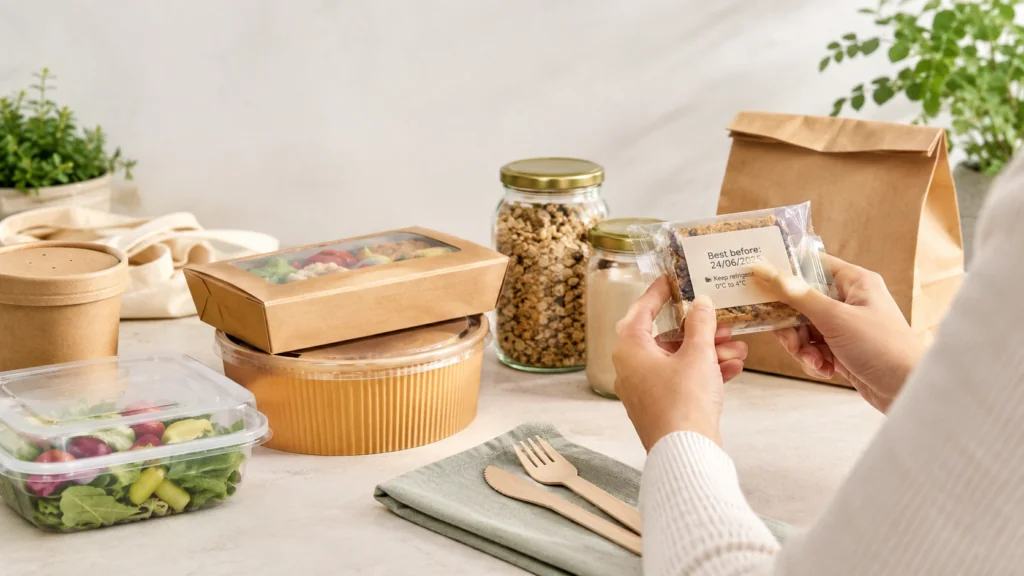
Phrases such as “store in a cool, dry place”, “keep refrigerated between 0 and 4 °C” or “protect from sunlight” indicate how the food should be stored to maintain its safety and quality.
Not following these conditions can shorten the product’s shelf life. For example, a food that must be kept refrigerated can deteriorate quickly if it remains at room temperature for too long.
Instructions for use
Many labels include instructions such as “once opened, consume within 3 days” or “keep refrigerated after opening”. These instructions are essential because the shelf life of the food changes once the packaging is opened.
A product may have a long date before opening, but once opened, it requires new storage conditions. At that point, the closure, material and type of packaging become very important.
Information about the packaging
The label may also include information about the packaging: material, recyclability, waste separation instructions, whether it is microwave-safe, whether it allows freezing or whether it should remain closed to protect the product.
This point is especially important because packaging is not only used to transport food. It also helps preserve it, protect it from moisture, prevent external contamination and maintain its properties for longer.
How to interpret storage conditions
Storage conditions are directly connected to the importance of packaging. A food product may be correctly labelled, but if it is stored in unsuitable packaging, poorly closed or exposed to moisture, heat or air, it can deteriorate before its time.
Storage before and after opening
Before opening a product, the original packaging is usually designed to protect it until the indicated date. Therefore, reading food labels can help you understand whether the packaging acts as a barrier against air, light, moisture or temperature changes.
After opening, this protection may be partially lost. That is why it is important to close the original packaging properly or transfer the food to a suitable, clean container that is safe for food contact.
The importance of suitable packaging
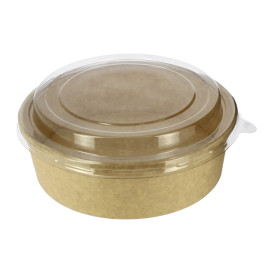
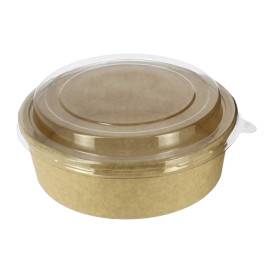
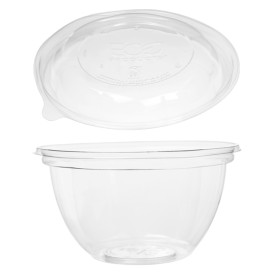
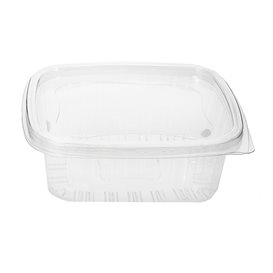
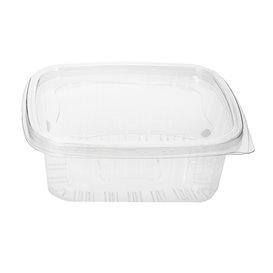
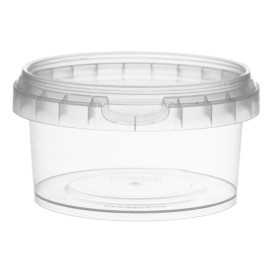
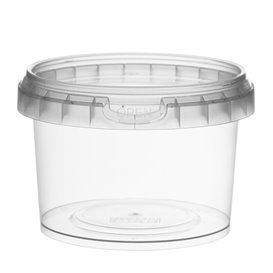
The right packaging helps preserve food better and avoid waste. Food packaging with a good closure can protect against spills, moisture loss, cross-contamination or the absorption of odours in the fridge.
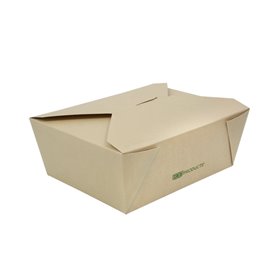
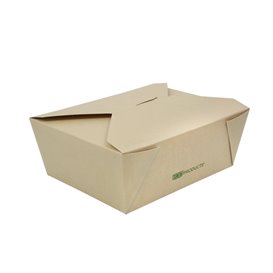
In hospitality, take away and delivery businesses, packaging is even more important. It must not only preserve the product, but also withstand transport, maintain good presentation and make it easier for the customer to consume the food in optimal conditions.
For example, a sauce needs packaging with a secure lid to prevent leaks; a hot meal requires a container that is resistant to temperature; and a dry product needs packaging that protects it from moisture.



Temperature, moisture and closure
There are three basic factors for preserving food better:
- Temperature: follow the refrigeration, freezing or room-temperature storage indicated on the label.
- Moisture: prevent dry foods from absorbing moisture and losing texture or quality.
- Closure: use well-sealed packaging to protect the contents after opening.
A good closure can make the difference between using a food product for a few more days or having to throw it away before its time.
Tips once you know how to read food labels
Once you know how to interpret dates, storage conditions and instructions for use, you can apply small habits to reduce food waste.
1. Check dates when shopping
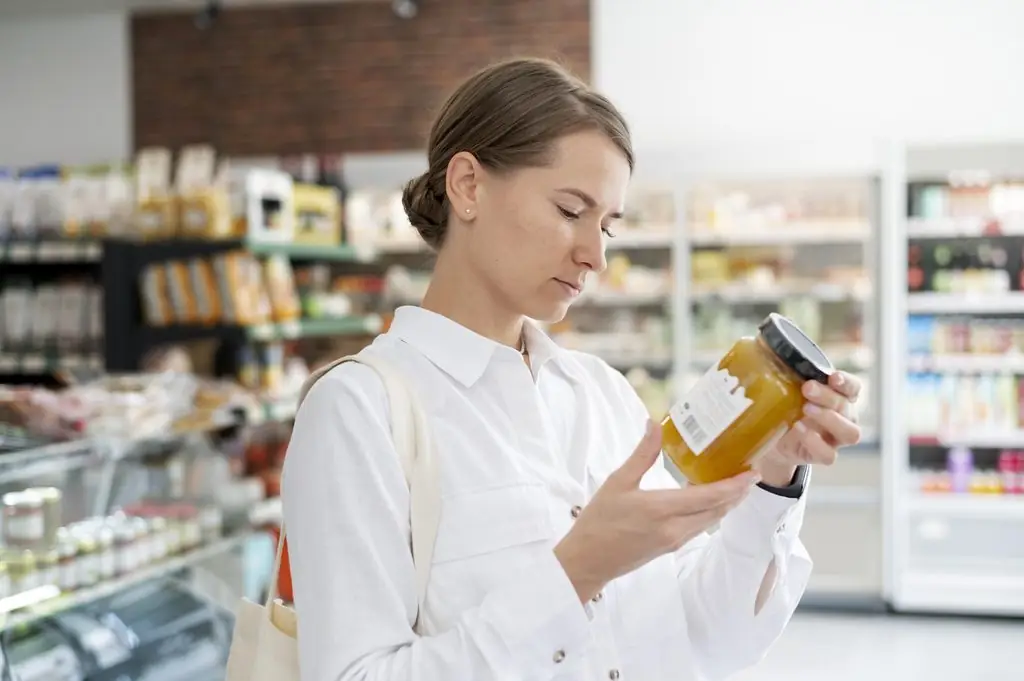
Before buying, check the use-by or best-before date and think about when you are going to use the product. If you need it for immediate consumption, you can choose products with closer dates. If you want to store it for several days, look for a longer date.
2. Organise products close to expiry
Place foods with the closest date at the front and leave those that last longer behind. This system, known as “first in, first out”, helps you consume products that are close to their date limit first.
3. Use suitable packaging after opening
When you open a food product, check whether the label indicates a consumption period after opening. If the original packaging does not close properly, use a suitable container to preserve it better.
Packaging with lids, tubs, airtight containers, food-safe bags or specific packaging for cold, heat or transport can help keep food in better condition.
4. Track dates with lists or apps
At home or in a business, keeping a small record of dates helps avoid forgetfulness. You can use a list on the fridge, a control sheet or mobile apps to remember which products should be consumed first.
Frequently asked questions about How to Read Food Labels
Is a use-by date the same as a best-before date?
No. The use-by date is related to food safety and should not be exceeded. The best-before date indicates until when the product maintains its expected quality, but it can be checked before being discarded if it has been stored correctly.
Can I consume food after the best-before date?
In many cases, yes, as long as the packaging is intact, the storage conditions have been respected and the food maintains a good appearance, smell and taste.
What should I do if a food product has passed its use-by date?
If it has passed its use-by date, it is advisable not to consume it, especially if it is a highly perishable food such as meat, fresh fish or sensitive refrigerated products.
Why is packaging important to avoid waste?
Because it helps protect food from air, moisture, temperature, odours and possible contamination. Suitable packaging can extend the good preservation of the product after opening and make transport easier without spills or deterioration.