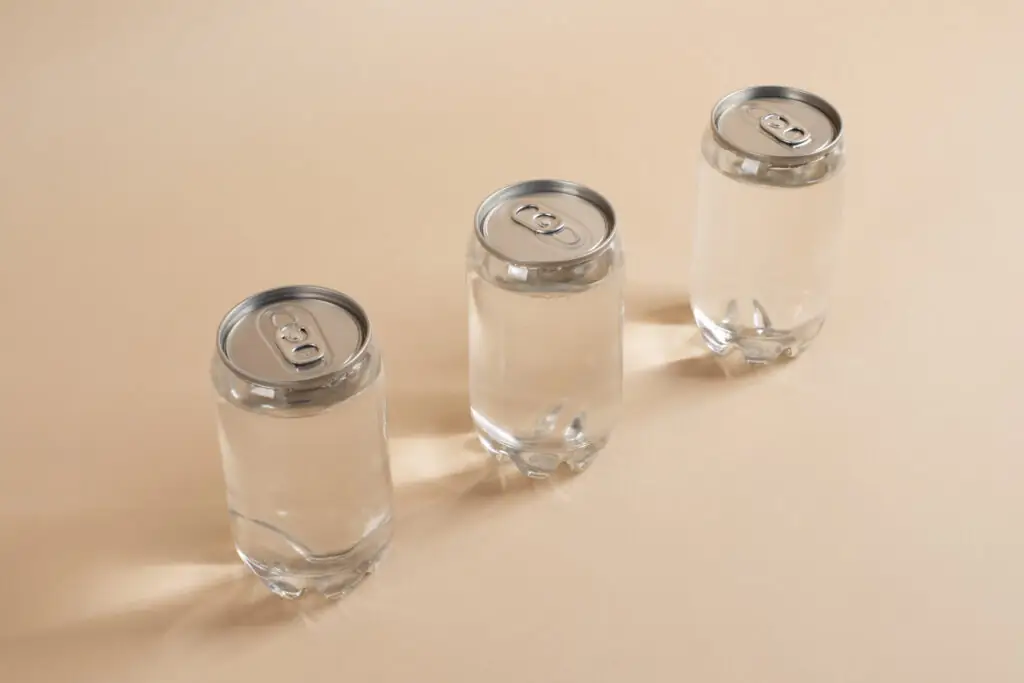
Pet can sealing is becoming a real competitive advantage thanks to its reliability, quality, and speed. Especially if you’re looking to serve cocktails, package beverages, offer catering, or create take-away promotions.
The solution is right in front of you! Discover how PET can sealers work and how they allow you to achieve professional, flawless results in just seconds.
Why sealing is essential for Pet cans
Pet can sealing is a fundamental process to ensure an airtight closure that preserves product shelf life. Proper sealing prevents leaks during handling, ensuring food safety and quality.
There are several reasons why this sealing process is essential to maintain customer satisfaction, including:
- Preservation. Proper sealing prevents contact with oxygen and moisture, avoiding damage that affects taste and product quality.
- Food safety. The correct process ensures consumers receive a product free from contamination or tampering.
- Leak protection. This packaging system prevents spills during transport. It also helps maintain carbonation, preserving quality during storage.
- Efficient presentation. Good sealing ensures packaging consistency, making stacking easier while enhancing a premium look.
- Operational efficiency. With effective sealing, rejection rates decrease and productivity increases.
In this sense, sealing directly impacts product durability by preventing exposure to external contaminants and extending shelf life.
What does airtight sealing mean for beverages?
Airtight sealing is a system that prevents moisture, air, and other agents from coming into contact with the product. This extends the shelf life of food and beverages while preserving their organoleptic properties.
Difference between traditional lid and film sealing
The main difference between a traditional lid and film sealing is that the latter provides an airtight, transparent, and leak-proof closure. It is ideal for food preservation while allowing product visibility.
| Traditional lid | Film sealing |
|---|---|
| More rigid; typically used for products requiring protection or stacking for reuse. Less effective against oxygen entry compared to film sealing. Packaging is more durable and resistant to repeated opening. | Provides a hygienic barrier, ideal for preventing leaks, contamination, or spills. Offers lightweight, customizable packaging that allows product visibility. Maximizes shelf life by protecting against air and preventing dehydration. Adapts better to different containers with high visibility. |
As you can see, choosing the right packaging is key to preserving original quality until consumption. In fact, most foods benefit from airtight sealing, especially those sensitive to moisture and oxidation.

How Pet cans are sealed in professional service
Pet can sealing is carried out through a simple process: fill the can, place the lid, and activate the sealer. Unlike traditional methods, this machine performs an airtight seal in just 3 seconds.
PET can sealers help elevate presentations to a premium level by maintaining food preservation and preventing leaks during transport. This enables businesses to deliver professional finishes across all types of services.
Reliable adaptation for cafés, events, and take-away
PET cans have become a standard in mixology. Being lightweight, transparent, and unbreakable, they are perfect for catering, festivals, mobile bars, and large-scale events.
In this sense, PET sealers enable airtight sealing in seconds while ensuring food safety without compromising a professional finish.
Importance of packaging-sealing compatibility
Pet can sealing machines are designed for any hospitality business, from cafés and restaurants to bars and food trucks.
These professional sealers are made of stainless steel and built with highly durable materials. Most are compatible with multiple sizes, adapting to 250, 330, and 500 ml cans.
Use cases where sealing makes the difference
PET can sealing ensures an airtight, durable, and typically transparent closure. This process is ideal for preserving freshness, preventing leaks, and enhancing the presentation of food and beverages.
It is widely used across industries, from beverages (coffee, juices, cocktails) and foods (nuts, desserts, salads) to the pharmaceutical sector. Some use cases include:
- Cafés and cold beverages. Ideal for packaging cold brew coffee, iced tea, juices, cocktails, and carbonated drinks.
- Take-away and delivery. PET can sealing offers a hygienic and visually appealing packaging alternative, increasing perceived value. It allows serving cold soups, desserts, salads, sweets, and more in take-away formats.
- Snacks and dry foods. Perfect for products requiring a barrier against air to maintain crunchiness, including gourmet items, sweets, snacks, and nuts.
- Pharmaceutical supplement industry. Proper sealing is crucial to protect medicines and vitamins, creating a barrier against moisture and ensuring chemical integrity.
Ultimately, proper sealing extends product usability and enhances the end customer experience, especially in formats like take-away.
Give your brand the professional seal it deserves!
Pet can sealing provides an airtight closure that prevents accidents during storage and transport. Additionally, the transparent PET format enhances visibility of product quality and freshness.
These containers are typically lightweight and recyclable, helping reduce transport and storage costs. This innovative format also improves visual perception, strengthening brand identity and customer experience.
Furthermore, Pet can sealers feature ergonomic designs and automated systems that allow sealing a large number of cans in a short time.
In conclusion, incorporating a PET can sealer into your processes offers multiple industry benefits. Are you ready to take the leap into retail?